Should I Play Celeste? The Mountain That Taught a Generation to Keep Climbing
A precision platformer about anxiety, self-doubt, and climbing a very tall mountain. Celeste sold 1.7 million copies and won two Game Awards for good reason. Eight years later, it is still the standard.

What It Is
Celeste is a precision 2D platformer developed by Maddy Makes Games (later renamed Extremely OK Games). It launched on January 25, 2018 on PC, PlayStation 4, Xbox One, and Nintendo Switch. It costs $19.99 on Steam but regularly drops to $4.99 during sales.
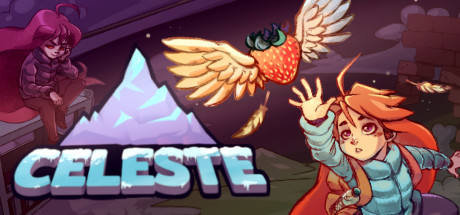
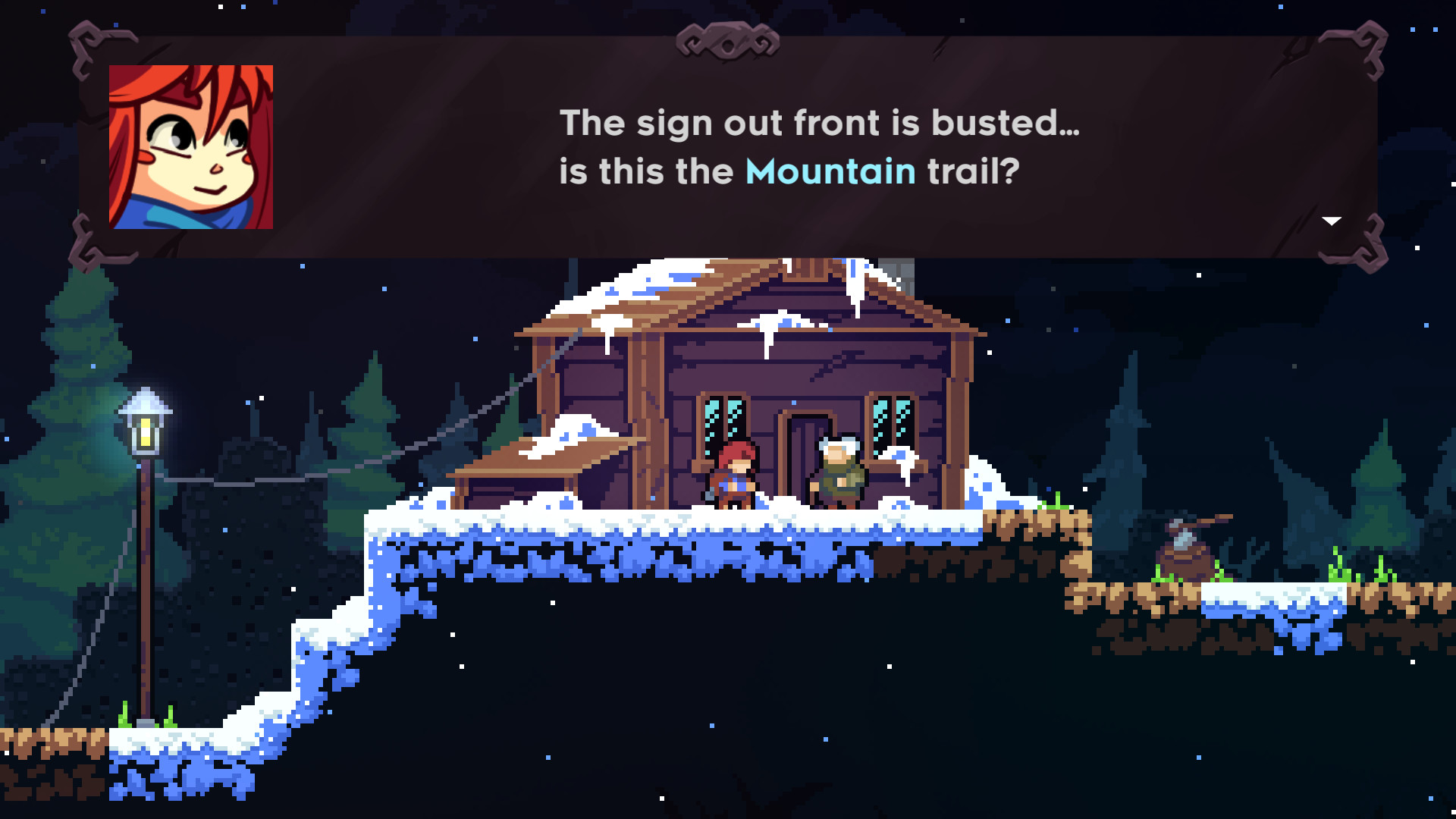
You play as Madeline, a young woman determined to climb Celeste Mountain. That is the entire premise. You jump, you dash, you climb walls with limited stamina, and you die. Over and over and over. The mountain throws new obstacles at you every chapter: moving platforms, wind currents, dream blocks, strange floating crystals. Each chapter is its own mini world with its own rules.
But the mountain is also a metaphor. Madeline struggles with anxiety and depression. Partway through the game, a dark reflection of herself (nicknamed Badeline by the community) begins chasing her, telling her she is not good enough to make it. The story is about learning to accept yourself, including the parts you would rather run from.
Celeste holds an Overwhelmingly Positive rating on Steam from over 123,000 reviews. It scored 92 on Metacritic (Switch) and won Best Independent Game and Games for Impact at The Game Awards 2018. It also received a nomination for Game of the Year. It has sold over 1.7 million copies as of January 2025.
Why You Should Play It
The controls are flawless. Celeste gives you three tools: jump, dash, and climb. That is it. The entire game is built around those three verbs, and they feel perfect. Madeline goes exactly where you tell her to go. Air control is precise. Wall jumps are responsive. Every death feels like your mistake, never the game’s. This is what people mean when they talk about game feel.
The difficulty curve is masterful. Each chapter introduces a new mechanic, gives you a few easy rooms to learn it, then gradually ramps up the complexity. By the time you hit a chapter’s hardest screens, you have already internalized the skills needed to beat them. You just do not realize it yet. The game trusts you to figure things out through repetition, not tutorials.
The story hits harder than you expect. You go in thinking it is a platformer about jumping over spikes. You come out thinking about your own relationship with failure and self-doubt. The moment when Madeline stops fighting Badeline and instead asks for help is one of the best scenes in any indie game. The storytelling is subtle and earned, never preachy.
Assist Mode exists and it is brilliant. If the default difficulty is too much, Assist Mode lets you slow the game speed, add extra dashes, enable invincibility, or give yourself infinite stamina. There is no penalty for using it. The game presents it with a respectful message acknowledging that the challenge is intentional, but your experience matters more. More games should do this.
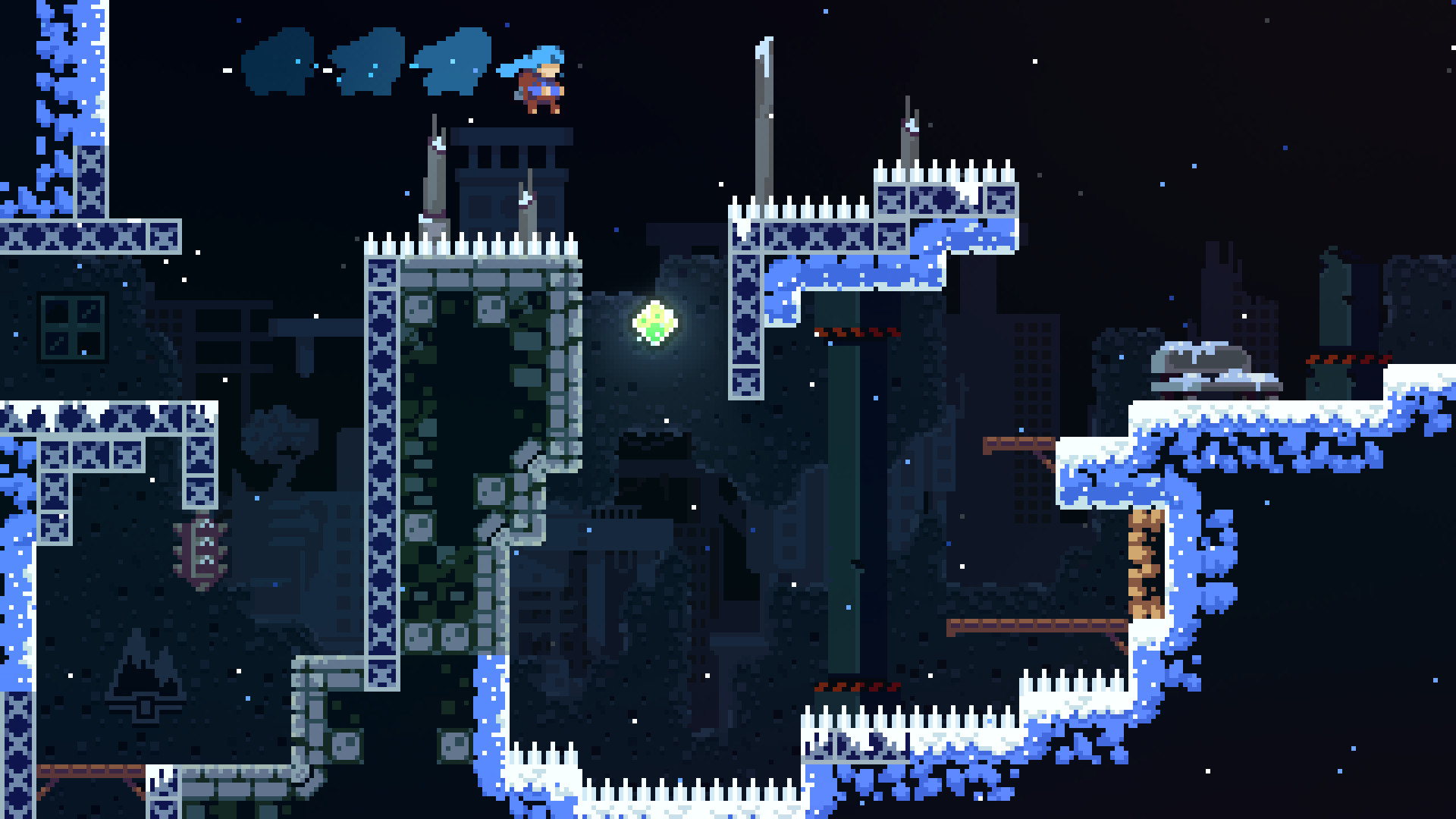
The free DLC is a full game. Chapter 9: Farewell, released in September 2019, added over 100 new screens and 40 minutes of original music by Lena Raine. It is the hardest content in the game and also the most emotionally resonant. It deals with grief and letting go. Most studios would have charged money for this. Extremely OK Games gave it away for free.
The music is exceptional. Lena Raine’s soundtrack shifts from ambient piano to driving synth to ethereal pads, matching every chapter’s mood perfectly. “Resurrections” from Chapter 6 is one of the most recognizable indie game tracks ever composed. The B-Side remixes are equally strong.
Why You Might Not
You will die thousands of times. The game celebrates this (there is a death counter on each save file), but if watching a number climb into the quadruple digits frustrates you, even Assist Mode might not fix that feeling. Super Meat Boy pioneered this approach. Celeste refined it. You need to be okay with constant failure.
B-Sides and C-Sides are brutally hard. The main story is challenging but fair. The optional B-Side and C-Side chapters are something else entirely. C-Sides are only three screens each, but those three screens might take you an hour. If you are a completionist, prepare for suffering.
The pixel art is not for everyone. Celeste uses a clean, readable pixel art style that serves the gameplay perfectly. But if you are looking for visual spectacle, this is not it. The art is functional and charming, not flashy.
The story is slow to start. Chapter 1 and 2 feel like a straightforward platformer with some light dialogue. The emotional core of the game does not fully emerge until Chapter 3 or 4. If you bounce off early, you are missing the best parts.
My Take
I first played Celeste in 2018 and have returned to it multiple times since. It is one of those rare games where I remember specific screens. Every section of Celeste feels hand-placed with intention.
What sets Celeste apart from other precision platformers is that it gives you a reason to keep going beyond “beat the hard thing.” Madeline’s story is your story. Every impossible screen you clear is her pushing through another wave of doubt. When the game’s difficulty and narrative click together, usually around Chapter 5 or 6, it becomes something genuinely special.
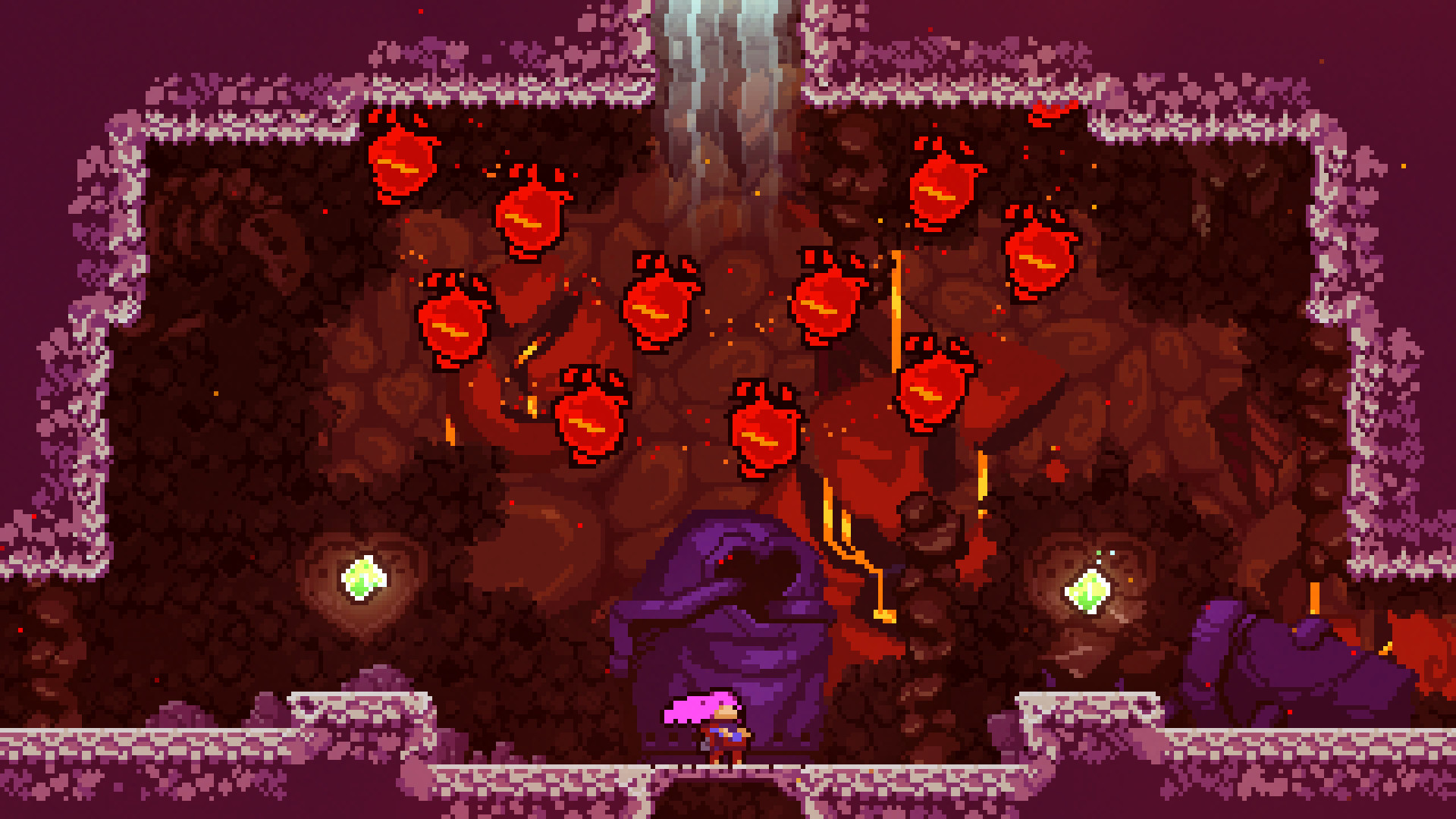
The speedrunning community is still thriving, with active leaderboards and new mods being created through the Everest mod loader. The Games Like Dead Cells list includes several games that owe a debt to Celeste’s level design philosophy. Even Neon White, a completely different kind of game, draws on the same “one more try” loop that Celeste perfected.
Eight years after release, Celeste remains the game I recommend when someone asks “what should I play on my new Switch?” or “what is a good indie game to start with?” The answer has not changed. Climb the mountain.


Written by
Florian HuetiOS dev by day, indie game dev by night. Trying to give life to GameDō Studio. Building games and talking about the ones I can't stop playing.