Rotwood Review: Klei's Brawler Hits Hard, but Doesn't Hit Deep
Gorgeous animation, punchy combat, and excellent co-op. But Rotwood's roguelike loop never quite matches the depth of its best fights.
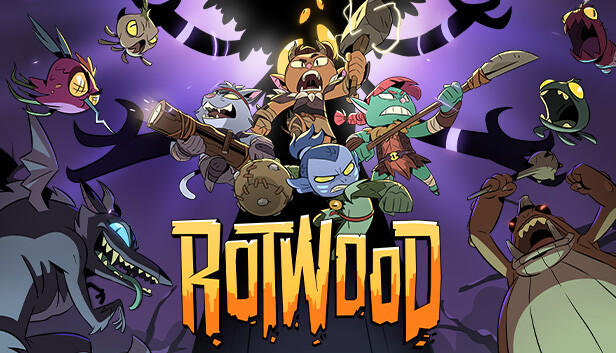
The first time you parry a charging elk in Rotwood and follow up with a perfect three-hit spear combo, something clicks. The animation snaps. The impact lands. Your co-op partner launches the stunned creature into the air while you spike it back down. For about ten seconds, Rotwood feels like the best brawler you have ever played.
The problem is what happens between those ten-second stretches.
What It Is
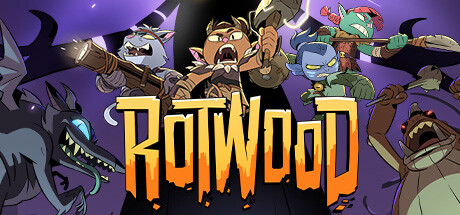
Rotwood is a co-op roguelike brawler from Klei Entertainment, the studio behind Don’t Starve, Oxygen Not Included, and Mark of the Ninja. You and up to three friends hack, slash, and dodge your way through corrupted forest biomes, collecting loot, upgrading weapons, and fighting increasingly nasty bosses. The game entered Steam Early Access in April 2024 and just launched its full 1.0 version on March 3, 2026, alongside a surprise Switch 2 release at the Nintendo Indie World Showcase. It costs $29.99.
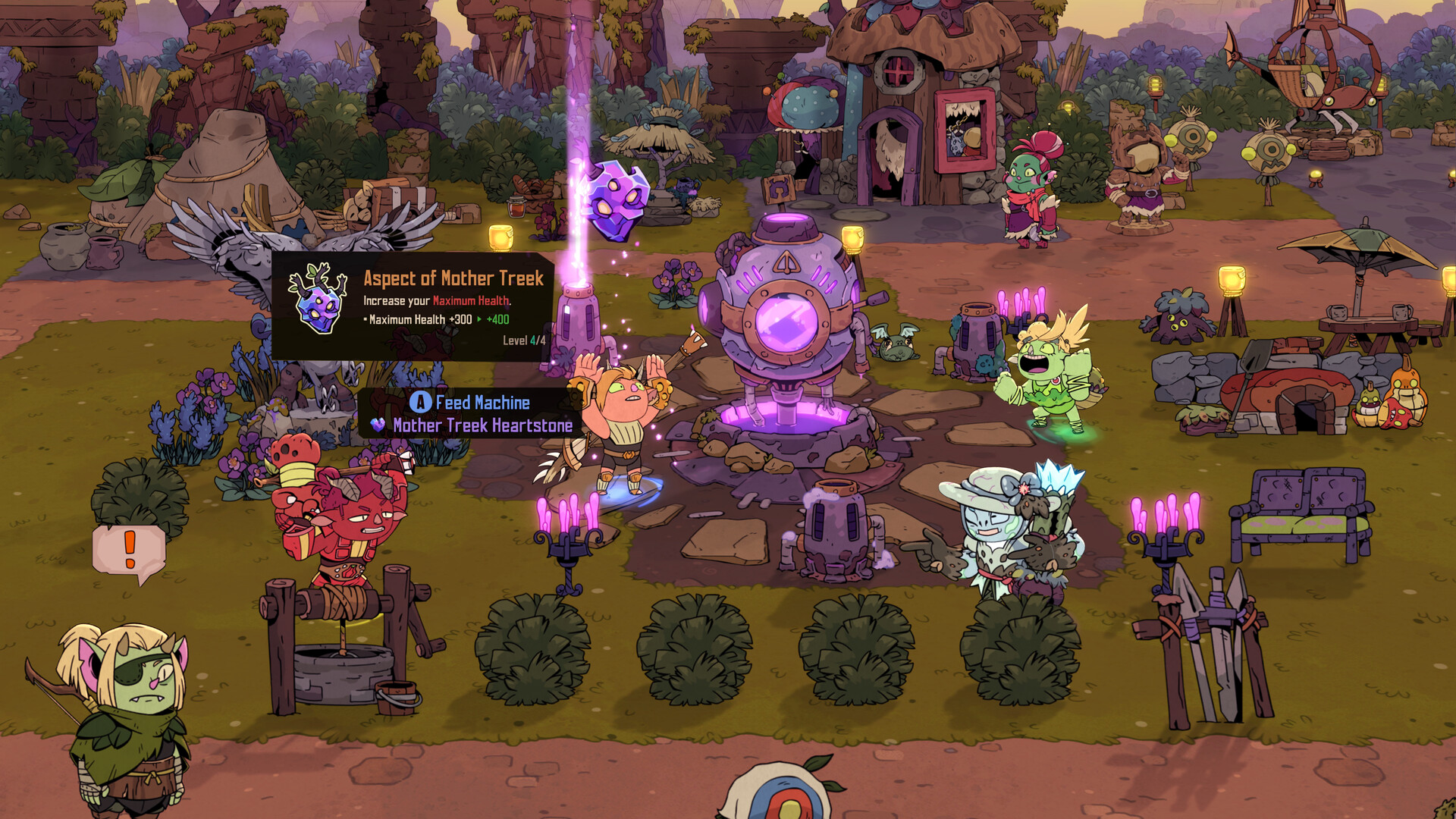
If you caught our Nintendo Indie World recap, you know this was the headline shadow drop. After nearly two years of Early Access, Rotwood’s 1.0 adds a narrative conclusion, a final boss, three new superfrenzy bosses (Frenzy Rook, Shelldrake, and Grimhollow), and a new location.
The Combat Is Excellent
Let’s start with what Rotwood does best: hitting things.
The animation quality is extraordinary. Every swing, dodge, and impact has weight and clarity. Klei’s art team has always been exceptional, but Rotwood might be their finest work on a purely mechanical level. Hitboxes are tight. Dodge timing is precise. When you land a focus hit (a special attack triggered by specific conditions per weapon), the feedback is satisfying enough to make you pump your fist.
There are four weapons, and they play nothing alike.
The Spear rewards agility and precision. Quick jabs, multihit focus attacks, and constant repositioning. It is the most intuitive weapon and a great starting point.
The Hammer is slow and punishing but lets you jump above incoming damage, turning the fight into a vertical game. It demands commitment. Every swing is a bet that the enemy will still be there when it lands.
The Striker is the wildcard. You throw heavy balls that ricochet off enemies, and you can hit them back for amplified damage. It turns combat into a violent game of pinball. It is chaotic, unique, and deeply satisfying once it clicks.
The Cannon replaces your dodge entirely with a reload mechanic. You lose mobility in exchange for devastating ranged damage. It is the highest risk, highest reward option and not for beginners.
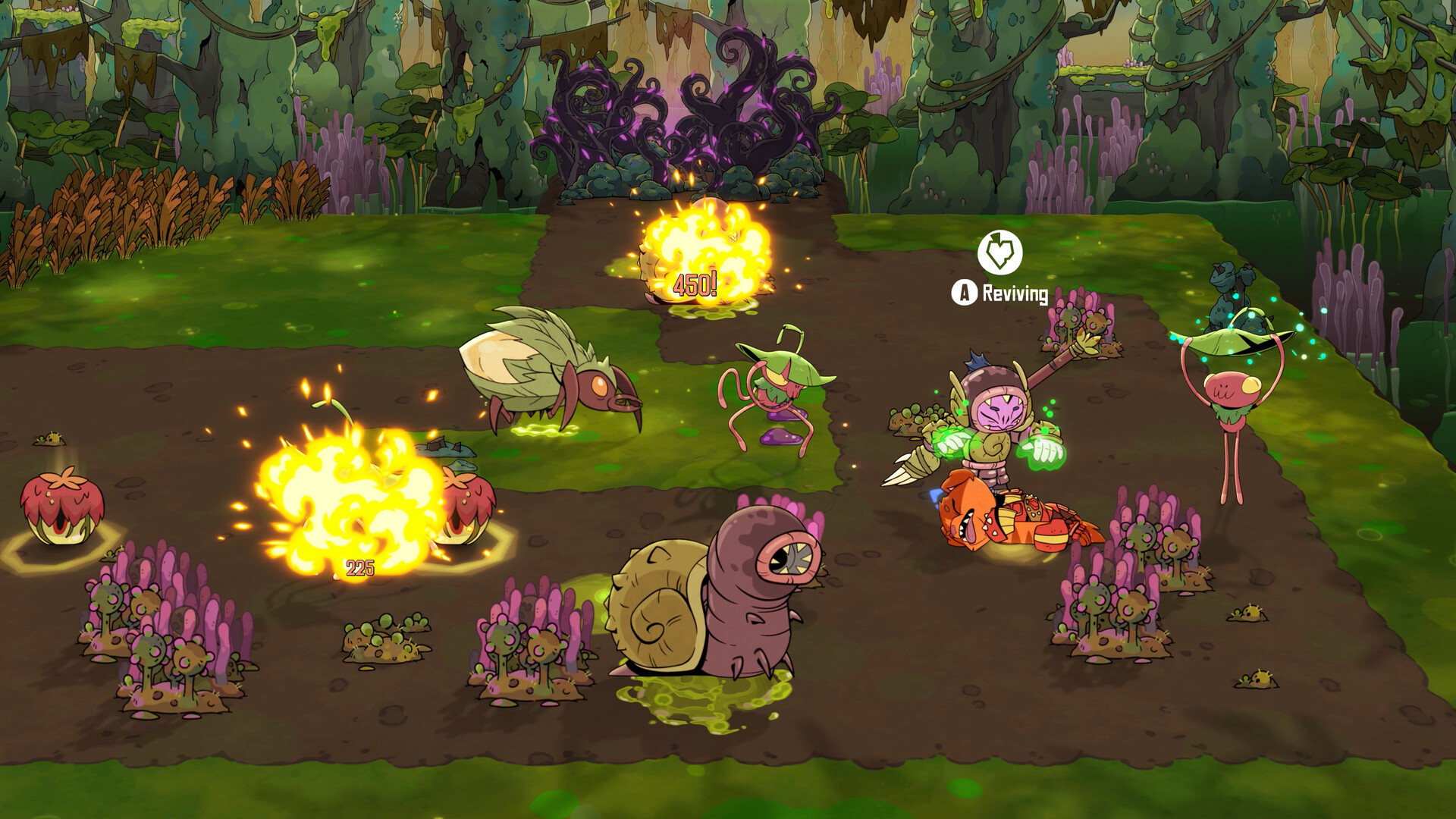
Each weapon has its own upgrade path and focus hit conditions, and mastering even one of them takes hours. Mastering all four could take dozens. The skill ceiling is genuinely high, and the difference between a new player flailing through the first biome and an experienced player carving through enemies on the highest difficulty is enormous.
Co-Op Makes Everything Better
Rotwood supports up to four players locally or online. And unlike some co-op games where extra players just add more damage, the weapon variety here creates genuine team composition discussions. A Spear user darting in to keep aggro while a Cannon player lines up devastating shots from range. A Hammer player jumping over a boss attack while a Striker ricochets balls off the staggered target.
Klei’s character customization helps too. Every player looks distinct even in the most chaotic fights, and the visual readability never breaks down. That is harder to pull off than it sounds.
If you are looking for more co-op games in this vein, our best co-op indie games on Steam list has plenty of options.
The Roguelike Loop Falls Short
Here is where Rotwood stumbles.
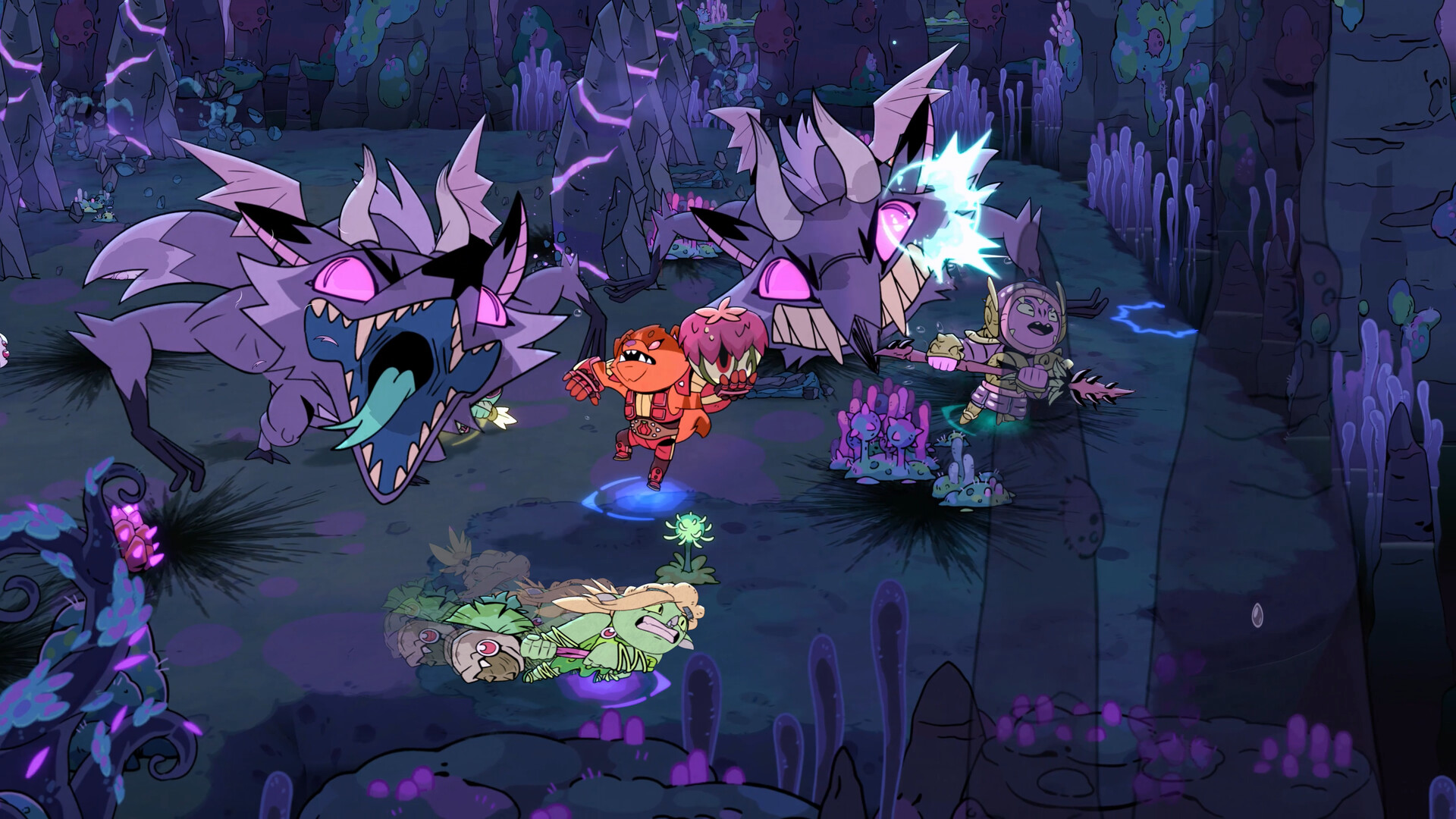
The structure is straightforward: pick a biome, fight through rooms, beat the boss, return to your hub town, upgrade, repeat. Seven biomes with four difficulty tiers each. On paper, that is solid. In practice, the between-combat decisions never feel meaningful enough.
The upgrade pool during a run is limited. You tend to gravitate toward the same builds because the alternatives are not compelling. Armor and special attacks feel gimmicky rather than build-defining. You rarely face a moment where you have to make a genuinely difficult choice about your loadout or path.
Compare this to the best in the genre. Hades gives you god boons that fundamentally reshape your run. Dead Cells offers weapon synergies that reward experimentation. Slay the Spire 2 builds entire strategies around card combinations. Rotwood’s combat is as good as any of these games. Its meta-progression and run variety are not.
The grinding is also noticeable. Unlocking new weapon tiers requires rare drops from specific enemies. Early on, this feels fine. By your third or fourth weapon, running the same biome multiple times for materials starts to drag.
Presentation
Klei’s art direction is predictably gorgeous. The forest biomes are lush and detailed. Enemy designs are creative and readable at a glance, which matters enormously in a game where four players can be fighting a dozen enemies simultaneously. Boss designs are standouts, with animations that telegraph attacks clearly without sacrificing visual flair.
The 1.0 update adds new cinematics and character moments that give the hub town more personality. NPCs now have conversations that evolve as you progress. The narrative conclusion is simple but gives the game a satisfying endpoint that Early Access lacked.
Sound design is strong without being remarkable. Combat sounds are punchy and responsive. The music fits the mood without demanding attention. It does its job.
Who This Is For
Rotwood is for players who want a co-op brawler with exceptional combat and gorgeous presentation, and who do not need deep roguelike systems to stay engaged. If you love the act of fighting, of learning enemy patterns, of perfecting your dodge timing and mastering a weapon, Rotwood will give you 15 to 25 hours of genuine satisfaction.
If you want a roguelike where every run feels different, where build decisions create emergent strategies, and where the meta-progression continually opens new possibilities, Rotwood will leave you wanting more.
The Bottom Line
Klei Entertainment made a brawler with some of the best combat animation and feel in the genre. The four weapons are each worth learning. The co-op is excellent. The art direction is Klei at their best.
But Rotwood is not a great roguelike. It is a great brawler with roguelike structure. The runs blur together. The choices between fights do not carry enough weight. The progression system asks for grind when it should offer variety.
At $29.99, there is easily enough here for a satisfying playthrough with friends. The 1.0 release adds a proper ending, new bosses, and narrative polish that Early Access was missing. It just never reaches the heights its combat promises.
Score: 7/10
Rotwood is available now on Steam and Nintendo Switch 2 for $29.99.

Written by
Stive Godin
Web dev by profession, gamer by passion. Always chasing the next great game and the next personal best in the gym. Building websites, playing games, and lifting heavy things.