How to Optimize Your Steam Store Page Before the Next Steam Next Fest
Your Steam store page is your sales pitch. Here is every element you need to get right, from capsule art to tags to your short description.
Your Steam store page is the single most important marketing asset you have. Every trailer, every tweet, every Reddit post you make funnels back to this one page. If it does not convert visitors into wishlists, everything else is wasted effort.
This guide covers every element of a Steam store page and how to optimize each one. Whether you are preparing for the next Steam Next Fest or gearing up for launch, these fundamentals will make the difference between a page that converts and one that bleeds traffic.
Capsule Images: Your First Impression
Steam uses multiple capsule sizes across the platform. You need to provide art for all of them.
Required capsule sizes:
- Header Capsule: 920 x 430 pixels. Appears at the top of your store page and in the “Recommended For You” section.
- Small Capsule: 462 x 174 pixels. Used in search results, top sellers, and new releases lists. Steam auto generates 120x45 and 184x69 versions from this.
- Main Capsule: 1232 x 706 pixels. Appears in the main carousel on the Steam home page.
- Vertical Capsule: 748 x 896 pixels. Shown during seasonal sales and on sale pages.
What works:
- One focal point. One character. One mood. Genre should be obvious in under one second.
- Bold colors that contrast against Steam’s dark background.
- Your logo must be legible at every size, including 184x69 pixels.
- Zero to three words maximum (beyond the game title).
What gets your page rejected:
- Review scores, award logos, or marketing text on base capsules. Valve enforces this rule strictly.
- Tiny text that becomes unreadable at small sizes.
- Cluttered compositions with too many characters or scenes.
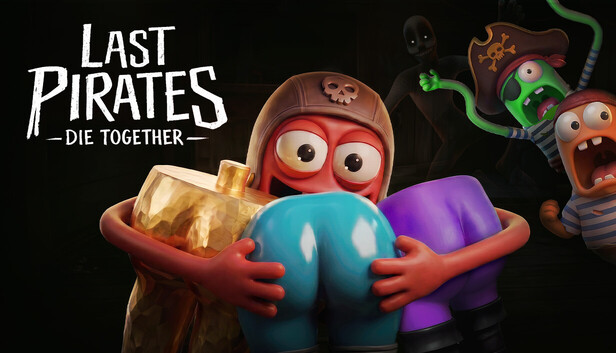
Look at Celeste, Hollow Knight, or Hades for capsules that nail this. A single character, a strong silhouette, vibrant color, instant genre recognition.
Short Description: 300 Characters to Hook Them
The short description appears directly below your capsule in search results and on your store page. It is the most important piece of text on your entire page. You have 300 characters in English. If you plan to localize, aim for 200 to 250 characters so translations fit without cutting.
Structure it like this:
- Hook (what makes your game unique)
- Core mechanic (what you actually do)
- Emotional promise (how it feels to play)
Example (Balatro): “Balatro is a poker-inspired roguelike deck builder where you play illegal poker hands, discover powerful jokers, and trigger wild combos.”
That is 131 characters. It tells you the genre, the hook (illegal poker hands), and the feeling (wild combos). No filler. No adjectives like “amazing” or “innovative.” Every word earns its place.
Common mistakes:
- Starting with your studio name. Nobody cares in the short description.
- Listing features instead of selling the experience.
- Using vague descriptors. “A unique experience” tells the reader nothing.
The About Section: Sell, Then Inform
The About This Game section is the long description below the fold. Most visitors skim it. Structure matters more than word count.
Above the fold (first screen):
- Lead with a one paragraph pitch. This is your elevator speech.
- Follow with a bulleted feature list (5 to 8 items max). Each bullet should be one specific, concrete feature.
- Use bold text for key terms. It helps scanners find what they care about.
Below the fold:
- Deeper feature explanations.
- Lore or world building details.
- Technical specs if relevant (VR support, controller support, multiplayer details).
Formatting rules:
- Short paragraphs. Two to four sentences max.
- Use headers to break up sections.
- No walls of text. If a section is longer than three lines, add a line break.
- Bold the words players search for. If someone is looking for “roguelike deckbuilder,” make sure those exact words appear in bold.
For more on presenting your game visually, check out our Screenshot Saturday guide. The same principles of composition and clarity apply to your store page screenshots.
Tags: How Steam Decides Who Sees Your Game
Steam gives you 20 tag slots. Tags are not optional decorations. They are the primary signal Steam’s algorithm uses to decide who sees your game in the Discovery Queue, on browse pages, and in “More Like This” recommendations.
Your top 5 tags matter most. These determine your primary audience and appear most prominently. Make them specific.
Bad tags: Action, Indie, Singleplayer Good tags: Roguelike Deckbuilder, Turn-Based Tactics, Card Battler
The difference is targeting. “Action” matches millions of games. “Roguelike Deckbuilder” matches thousands. Specific tags mean Steam shows your game to the right people, which means higher click through rates, which means Steam shows it to more people. It is a virtuous cycle.
How to research tags:
- Find 10 games similar to yours that are selling well.
- Look at their tag lists on Steam.
- Note which tags overlap across multiple successful games.
- Use those as your foundation, then add tags specific to your unique features.
Fill all 20 slots. Every empty slot is a missed opportunity for discovery. Even niche tags like “Souls-like” or “Base Building” can match you with dedicated audiences who actively browse by tag.
Screenshots: Show Gameplay, Not Menus
Steam requires a minimum of 5 screenshots at 1920x1080 (16:9 aspect ratio). Most successful games have 6 to 10.
Order matters. The first screenshot appears in search results and recommendation carousels alongside your capsule. It is the second most important visual asset on your entire page.
Screenshot priorities:
- First screenshot: Your most visually striking gameplay moment. Not a menu. Not a title screen. Actual gameplay.
- Screenshots 2 to 4: Core mechanics in action. Show variety. Different environments, abilities, or scenarios.
- Screenshots 5+: Special features (multiplayer, build menus, boss fights, progression systems).
Do’s:
- Capture at the highest resolution possible.
- Show the actual game UI. Players want to know what they will be looking at for 50 hours.
- Include variety. Five screenshots of the same forest biome teach the viewer nothing new.
Don’ts:
- Do not add text overlays or marketing copy to screenshots. Let the game speak for itself.
- Do not use concept art as screenshots. It looks desperate and players know the difference.
- Do not show debug UI, placeholder assets, or obviously unfinished areas.
GIFs vs static images: Steam supports animated screenshots (uploaded as video files). Short gameplay clips can be more effective than static images for showing how combat or movement feels. Use them for your first or second screenshot slot if your game has satisfying motion.
Trailers: 60 Seconds or Less
Your trailer auto plays when someone visits your store page. It is powerful, but only if it is tight.
Keep it under 60 seconds. The average Steam user watches about 30 seconds of a trailer before scrolling. Front load the good stuff.
Structure:
- Seconds 0 to 5: Gameplay. Not a logo. Not a fade from black. Show the game immediately.
- Seconds 5 to 30: Core gameplay loop. Show what the player does most of the time.
- Seconds 30 to 50: Variety and scale. Show progression, different areas, boss fights.
- Final seconds: Logo, release date (or “Wishlist Now”), store logos.
Common mistakes:
- Starting with a 10 second studio logo animation. Nobody cares. Get to the game.
- Showing only cutscenes or cinematic angles when the game is top down.
- Using music that does not match the game’s actual soundtrack.
For a deep dive on indie game marketing beyond the store page, read our complete marketing guide.
Wishlist Conversion: Turning Visits into Numbers
Wishlists are Steam’s currency for measuring demand. They directly influence launch visibility. Valve has shared that developers who post their Coming Soon page at least six months before launch see roughly three times more sales than those who post it 30 days before.
Wishlist tactics that work:
- Launch your store page early. The moment you have a trailer and screenshots, put up your Coming Soon page. You can go viral at any time. If your game does not have a Steam page when that happens, you lose all those potential wishlists.
- Add a wishlist CTA to your demo. In your main menu and on your demo end screen, include a clear call to action to wishlist the full game.
- Use the email wishlisters button. After launching a demo, you have two weeks to email everyone who wishlisted your game. This is one of the most underused tools in Steamworks.
- Target 7,000+ wishlists before Early Access launch. This is a commonly cited benchmark from marketing analyst Chris Zukowski. Below this number, your launch visibility round will be limited.
What is the launch visibility round? When your game launches, Steam gives it a burst of exposure across the platform. The size of that burst depends on how many wishlists you have, your conversion rate during the first few days, and your review scores. A strong store page that converts well before launch sets up this virtuous cycle.
Steam Next Fest: Your Best Free Marketing
Steam Next Fest runs multiple times per year and gives indie devs with a playable demo massive free exposure. If you are preparing for the next one, your store page needs to be airtight.
Preparation checklist (at least 4 weeks before):
- Demo is live and thoroughly tested. Release it 2 to 4 weeks early to fix bugs and gather feedback before the festival spotlight hits.
- All capsule images are finalized and approved.
- Tags are researched and specific. During Next Fest, Steam organizes featured games by tags. Wrong tags mean wrong audience.
- Short description is polished. During the festival, players browse dozens of games in a session. Your 300 character pitch decides if they click or scroll past.
During Next Fest:
- Stream your game on the Steam page. Steam features games with active livestreams more prominently.
- Engage with feedback immediately. Players who try your demo and leave feedback are your highest value audience.
- Track your wishlist velocity. Steam measures how fast you gain wishlists, and higher velocity means more algorithmic promotion during the festival.
We covered the most wishlisted demos from February’s Steam Next Fest and the surprise breakout hits. Study what those games did right.
The Optimization Checklist
Before you publish or update your store page, run through this list:
- All four capsule sizes uploaded (Header, Small, Main, Vertical)
- Logo is legible at 184x69 pixels
- No review scores, awards, or marketing text on base capsules
- Short description is under 300 characters with a clear hook
- About section leads with a pitch paragraph, not a feature list
- All 20 tag slots are filled with specific, researched tags
- Top 5 tags match your closest successful competitors
- At least 5 screenshots at 1920x1080, gameplay first
- Trailer starts with gameplay, not a logo
- Trailer is under 60 seconds
- Wishlist CTA in your demo’s main menu and end screen
- Coming Soon page is live at least 6 months before launch
Your store page is not a one time task. Update your screenshots as the game improves. Refresh your description after major updates. Keep your tags current as the genre landscape shifts. The best store pages are living documents that evolve alongside the game.

Written by
Stive Godin
Web dev by profession, gamer by passion. Always chasing the next great game and the next personal best in the gym. Building websites, playing games, and lifting heavy things.