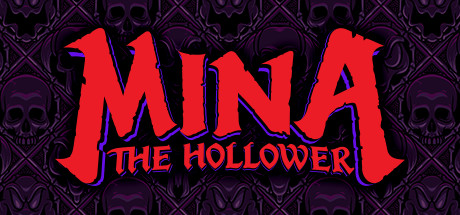
Mina the Hollower's Burrow Is the Smartest Dodge in Years
Yacht Club Games turned the dodge roll into a verb that does everything. Mina's burrow is one button, three functions, and a masterclass in layered design.
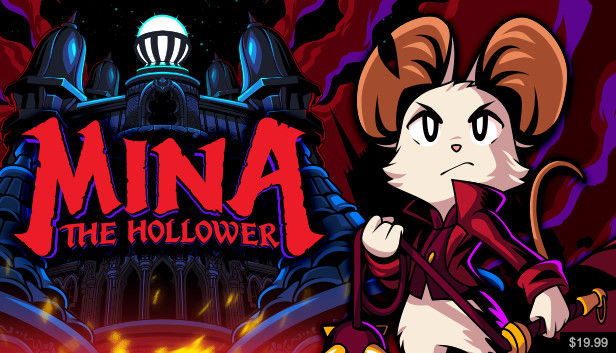
Mina the Hollower launches May 28, 2026 on PC, PS5, Xbox Series, and both Switch generations. Reviewers are already calling it one of the best action games of the year. But the headline is not the praise. It is one tiny mechanic that does the work of three.
The burrow. One button. Three jobs. And it might be the smartest piece of movement design in a 2D action game since Hollow Knight.
What the Burrow Actually Does
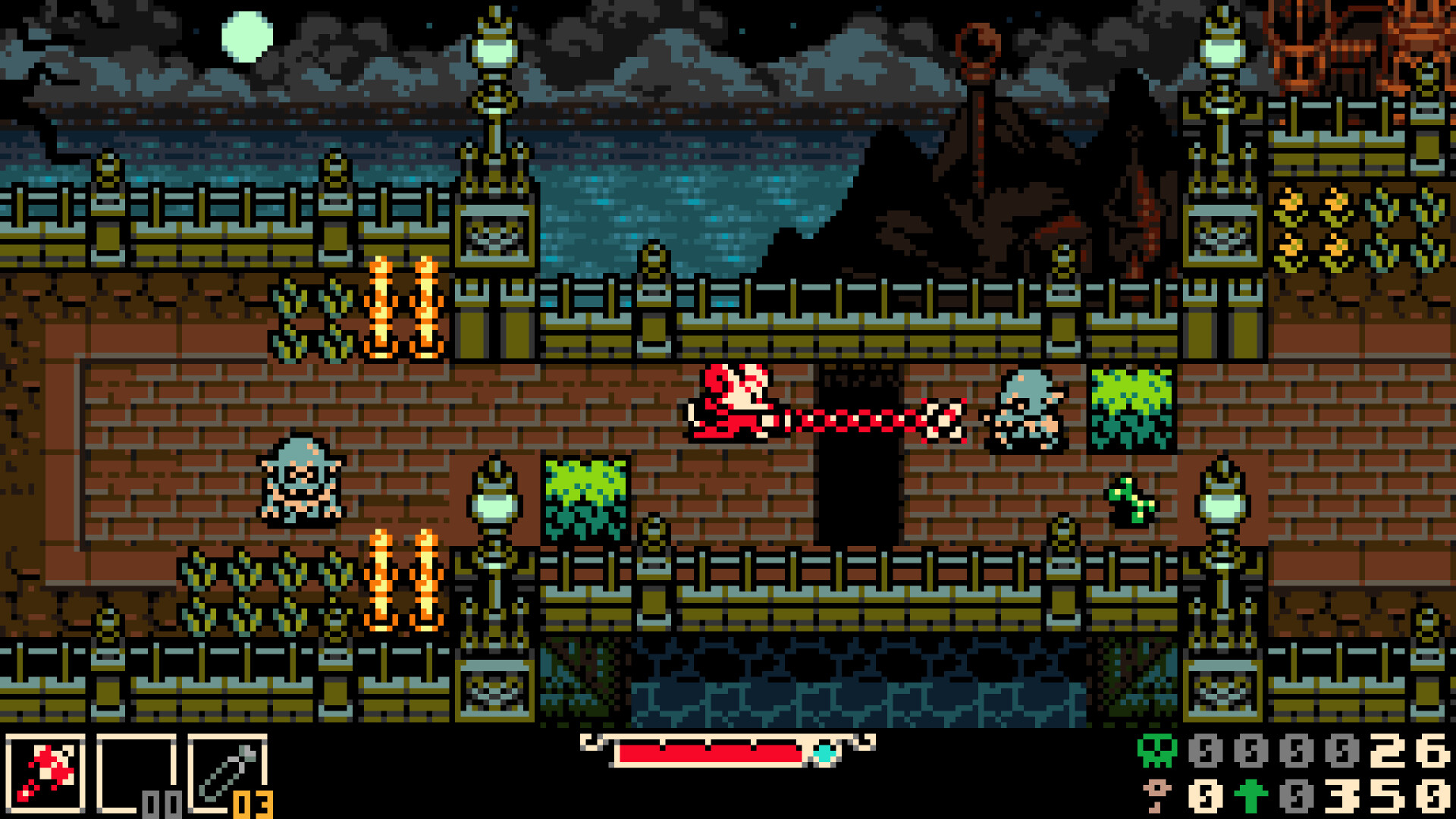
Hold the burrow button and Mina hops into the air, dives into the ground, and pops back out somewhere else. That single input is doing three things at once.
First, it is invulnerability frames. While she is underground, attacks pass through her. This is the dodge half of the mechanic.
Second, it is traversal. Spike pits, lava, pressure plates, broken bridges. Anything that would normally block top-down movement can be tunneled under. Levels are built with this in mind.
Third, it is combat setup. Pop out of the ground behind an enemy and you land a positional advantage and a fresh whip swing. Some boss patterns are explicitly designed to push you toward the safe side of the arena through the dirt.
One button. Three reasons to press it. Constantly.
Why Most Dodges Are Boring
Every action game has a dodge button. Most of them are doing one job.
Dark Souls rolls give you i-frames and a small reposition. That is it. They are defensive.
Hades dashes are positional. They cancel animations and let you weave through projectiles. Combat flavored, but still one verb.
Hollow Knight’s shade cloak is i-frames plus a forward burst. Two verbs, but they happen on the same plane.
Celeste’s dash is pure movement. It does not interact with combat because there is none.
The pattern is the same. One dodge button equals one function. Mina’s burrow stacks three on top of each other without making any of them feel watered down.
Layered Verbs Are the Secret
This is the design principle worth stealing. When you are short on buttons (and Mina was built around a Game Boy Color silhouette, so buttons are scarce on purpose), you can either invent more verbs or make existing verbs do more work.
Yacht Club picked the second path. The result is that every burrow feels meaningful. You are not pressing it to dodge one specific attack. You are pressing it because the room demands you reposition, evade, and counter in one motion.
If you want to go deeper on how movement should feel, our game feel and juice guide for indie devs covers the loop from input to onscreen reaction.
Shovel Knight Already Did This
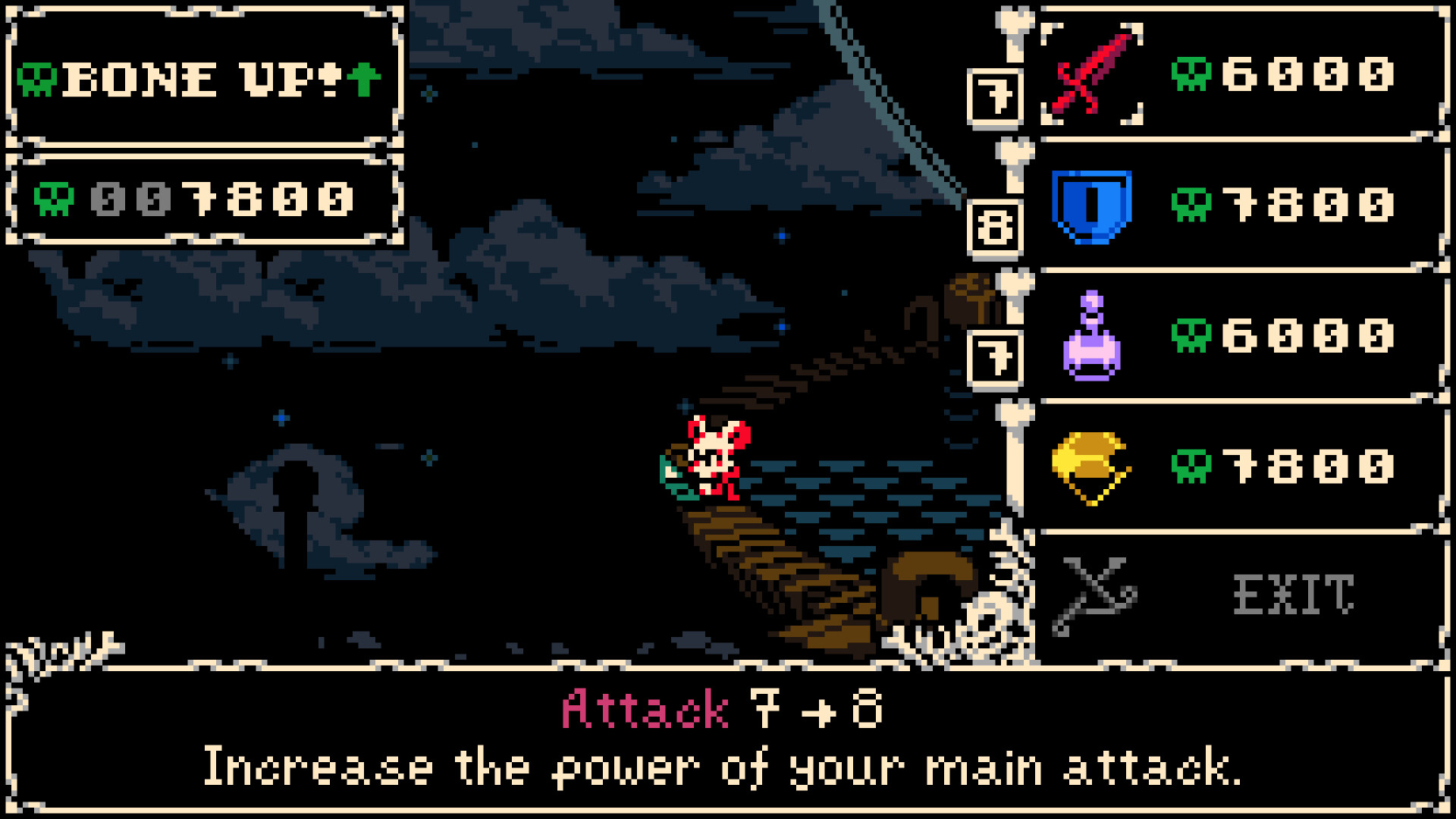
Yacht Club has been quietly mastering the layered verb for over a decade. The shovel drop in Shovel Knight is the same trick.
Press down and jump and Shovel Knight does a pogo bounce. That single input is a downward attack, vertical traversal (bouncing on enemies to cross gaps), and an aggression tool (chaining bounces to clear a screen). Three functions on one button. Sound familiar?
The studio’s design lineage is built on this idea. You do not need more buttons. You need denser ones.
What Indie Devs Should Take From This
Three things, ordered by how hard they are to apply.
One: audit your dodge. If your dodge is only an i-frame button, you are leaving design space on the table. Can it also reposition? Can it interact with the level? Can it set up an attack? You do not need all three, but you should have more than one.
Two: design levels around the verb. Mina’s burrow only feels essential because every room asks you to use it. Spike trenches, hidden routes, enemy patterns that force repositioning. The mechanic is taught by the architecture. Our writeup on teaching without tutorials digs into this exact idea.
Three: protect the silhouette. Yacht Club did not pile on new buttons just because modern controllers have them. They added new uses for the buttons they already had. The result is a control scheme a kid can grasp in 30 seconds and an adult will still be unlocking depth in after 10 hours.
The Bigger Lesson
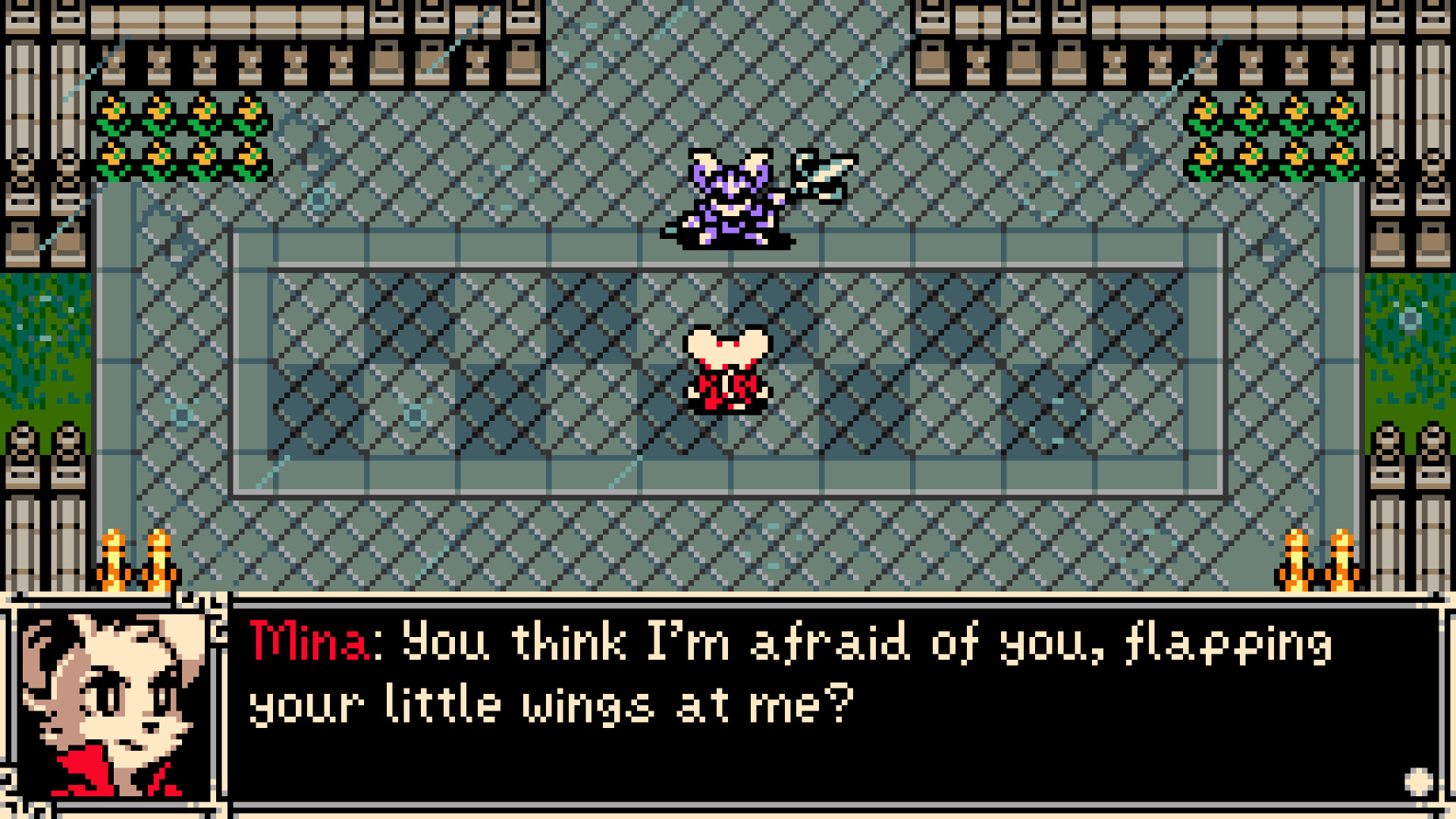
Mechanics are not just inputs. They are promises. When you give the player a button, you are telling them when to press it. The cleaner the promise, the easier the game is to play. The richer the promise, the more memorable it is.
Mina’s burrow makes a rich promise. Dodge, move, attack. Three things at once. Press it whenever any of those things are true.
That is why critics are using words like “instant classic” for this one. It is not just the pixel art or the soundtrack, as gorgeous as those are. It is that you can feel six years of careful design in one button.
The game we previewed back in February, the one with more content than five Shovel Knight campaigns combined, is finally here. Go press that button.

Written by
Stive Godin
Web dev by profession, gamer by passion. Always chasing the next great game and the next personal best in the gym. Building websites, playing games, and lifting heavy things.