Hollow Knight: Silksong Review: Seven Years of Waiting, Fully Justified
Team Cherry's sequel trades the Knight's slow precision for Hornet's acrobatic speed, delivering a bigger, bolder, and occasionally punishing metroidvania that earns its place alongside the original.
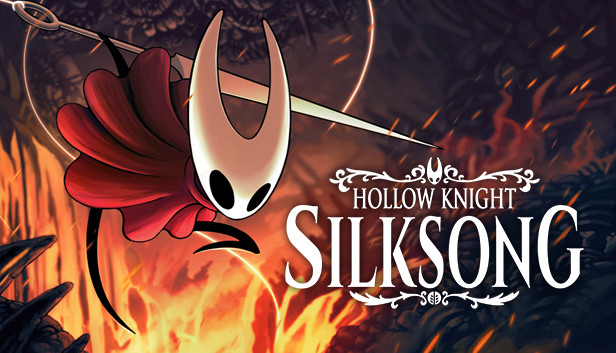
Seven years. That is how long Team Cherry took to follow up Hollow Knight, one of the best metroidvanias ever made. The studio announced Silksong as a standalone sequel in February 2019 after it outgrew its original scope as DLC. Then came years of silence, speculation, and memes. When it finally launched on September 4, 2025, it crashed Steam, the PlayStation Store, and the Nintendo eShop simultaneously. Over 535,000 concurrent players flooded in on day one.
The question was never whether people would show up. It was whether the game could possibly meet expectations built across seven years of anticipation.
It does.
A New Protagonist, A New Feel
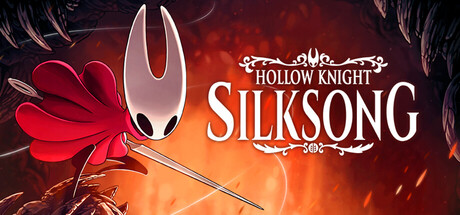
Silksong puts you in control of Hornet, the princess-protector of Hallownest who appeared as both ally and boss in the original. She has been captured and transported to Pharloom, a new kingdom built vertically around a shining citadel at its peak. Your job is to ascend.
The first thing you notice is speed. Where the Knight was deliberate and grounded, Hornet is fast and acrobatic. She lunges, flips, parries, and grapples with her needle in ways that make the original’s movement feel almost sluggish by comparison. The dash is snappier. The wall jump has more options. Healing through her Bind ability is faster, recovering three masks per use instead of one.
This is not just a cosmetic shift. It fundamentally changes how combat flows. Fights in the original rewarded patience. Silksong rewards aggression. You are meant to stay in the enemy’s face, chaining attacks and dodging through patterns rather than retreating to heal.
Tools, Crests, and Silk
The charm system from the original has been replaced by two interlocking systems: Tools and Crests.
Tools are equippable items that give Hornet access to 53 additional weapons and abilities. Red Tools are offensive consumables refilled at benches. Blue Tools offer passive combat bonuses. Yellow Tools speed up exploration. You swap them at benches, and the combination you choose defines your build just as charms did before.
Crests change how Hornet’s basic needle attacks work. Each Crest has its own moveset and determines how many Tool slots you get. This creates a layer of build diversity that the original never had. You are not just tweaking passive bonuses. You are changing your entire combat identity.
Silk replaces Soul as the resource that powers abilities. Hornet’s Silk Skills are offensive spells woven by the Weavers. Silkspear throws the needle forward with amplified force. Thread Storm casts it in a whirl around Hornet. Cross Stitch deflects enemy attacks and counters instantly. Each one costs Silk, which you earn by landing attacks. The aggressive combat loop feeds directly into the resource system.
The World of Pharloom
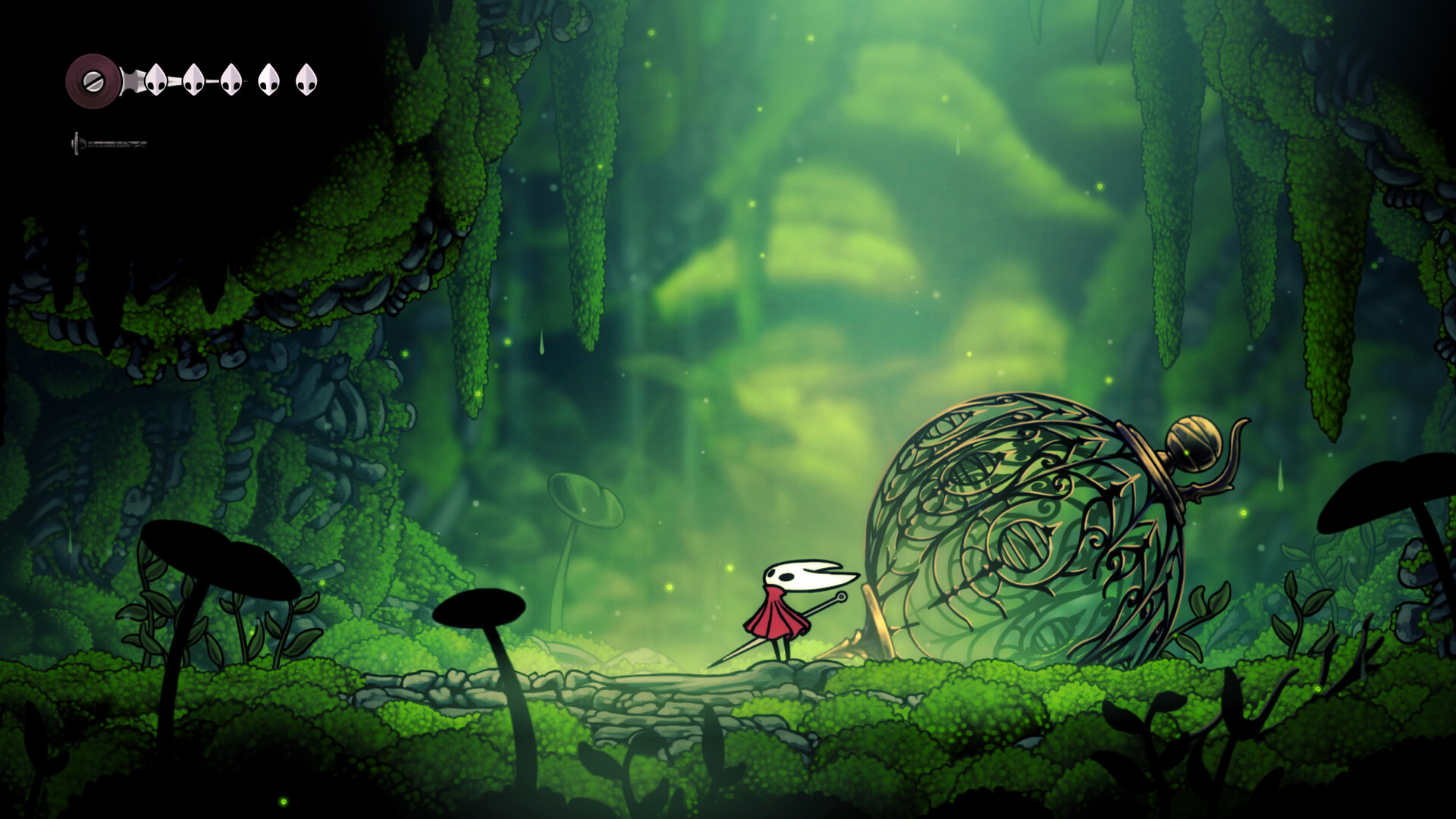
Pharloom is massive. 28 biomes range from mossy grottos and gilded cities to misted moors and salt-stricken shores. The vertical structure gives the world a different rhythm than Hallownest’s horizontal sprawl. You are always climbing, and the sense of upward progress is constant.
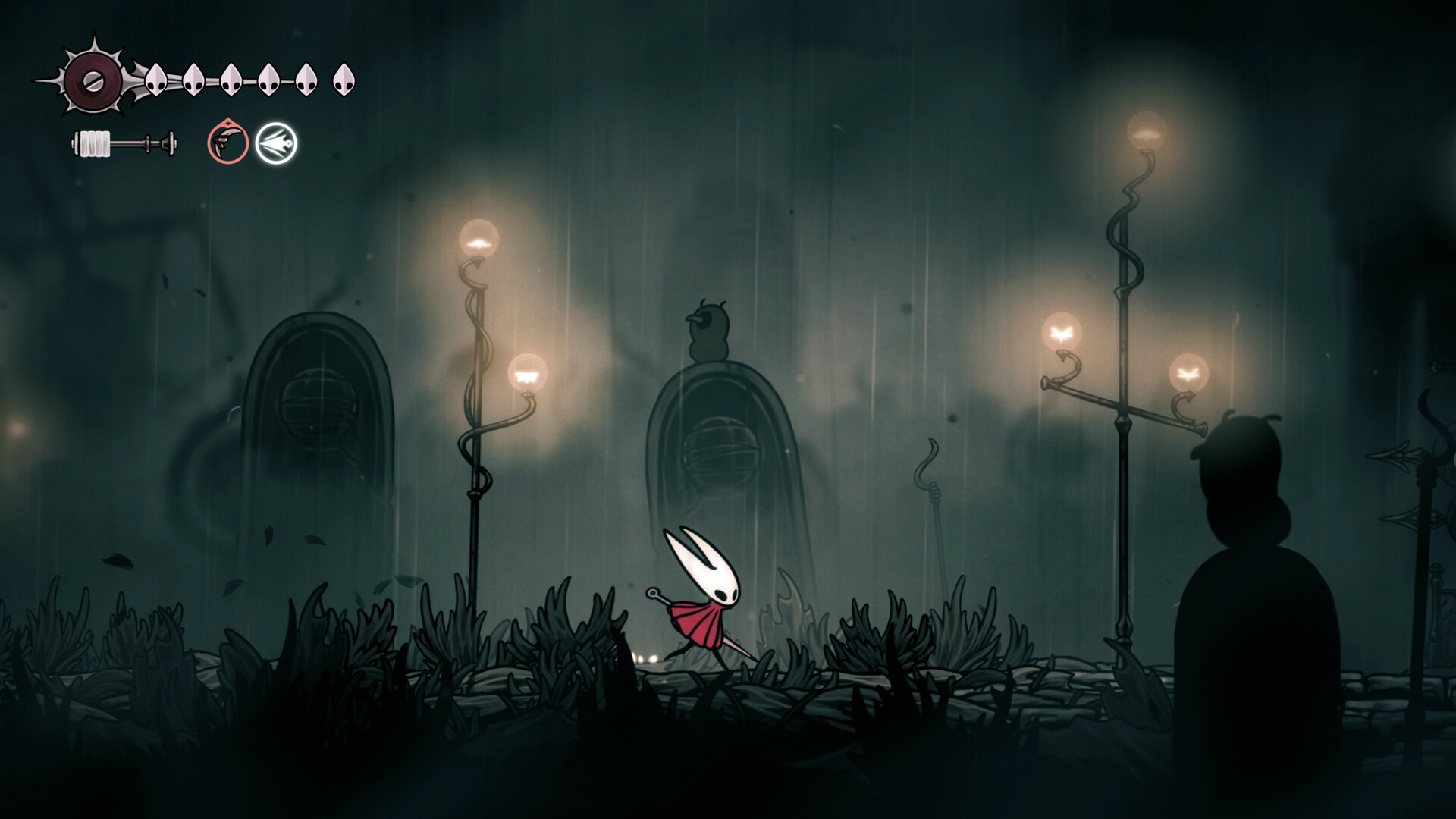
The art is, predictably, stunning. Ari Gibson hand-drew every character and environment, and the consistency of vision across 28 biomes is remarkable. Christopher Larkin’s soundtrack matches the original’s quality, shifting from haunting ambience to urgent combat themes without ever feeling repetitive.
Side content comes through Wishes, a quest system where NPCs and quest boards assign objectives. Some are simple fetch quests. Others lead to hidden bosses, secret areas, and lore revelations that recontextualize everything. The quest system was a late addition during Silksong’s extended development, and some early ones feel undercooked. The back half more than compensates.
43 Bosses and a Difficulty Debate
There are over 43 bosses in Silksong, and over 200 enemies spread across the world. The boss design is exceptional. Each encounter demands that you learn a specific pattern, adapt your Tools and Crest to the challenge, and execute under pressure. The best fights rival anything in the original, and several surpass them.
The difficulty, however, is the game’s most divisive element. Team Cherry has said they were not trying to make a harder sequel, but more enemies deal two masks of damage compared to one in the original. Hornet’s faster heal compensates, but the margin for error is thinner. Some late-game bosses require dozens of attempts.
If you enjoy the kind of combat design where every hit matters and mastery comes through repetition, Silksong delivers. If the original’s difficulty already pushed your limits, be aware that Silksong pushes further. Team Cherry released a post-launch patch that added accessibility options, which was the right call.
The Numbers
The game launched at $19.99 on Steam, which is absurd value for the amount of content. A main story run takes roughly 30 hours. Completionists are looking at 50 to 60 hours. Achievement hunters can expect over 100. The speedrun achievement requires finishing in under 5 hours, which gives you a sense of how dense the world is.

By mid-December 2025, Silksong had sold over seven million copies, with millions more playing through Xbox Game Pass. It won Steam’s Game of the Year at the 2025 Steam Awards (chosen by 43.8 million player votes) and Best Action/Adventure at The Game Awards 2025. It was nominated for Game of the Year at TGA but lost to Clair Obscur: Expedition 33, which swept nine awards that night.
The game holds a 90 on Metacritic with universal acclaim.
What’s Next
Team Cherry announced Sea of Sorrow, a free expansion coming in 2026. The nautical-themed DLC adds new areas including Pharloom Bay, new bosses, Tools, and what appears to be a significant post-game chapter. If it follows the pattern of the original’s free DLC packs, it will add dozens of hours of content at no extra cost.
For fans of the metroidvania genre, Emberbane launches later this month with its own twist on elemental combat. And our best indie metroidvania games list has plenty more to explore if Silksong has you hungry for the genre.
The Bottom Line
Hollow Knight: Silksong does not just live up to seven years of expectations. It justifies them. The shift from the Knight’s measured combat to Hornet’s acrobatic aggression gives the sequel its own identity while keeping everything that made the original great. The world is bigger, the bosses are fiercer, and the build variety through Tools and Crests adds depth the first game lacked. The difficulty will alienate some players, and a few early quests feel like filler. But when Silksong hits its stride, which is most of the time, it stands alongside the best action games ever made.
Team Cherry took seven years and delivered a $20 game with more content than most $70 releases. That alone deserves respect.
Score: 9/10
Hollow Knight: Silksong is available on Steam for $19.99. Also available on PlayStation 4, PlayStation 5, Xbox One, Xbox Series X|S, Nintendo Switch, and Nintendo Switch 2. Day one on Xbox Game Pass.

Written by
Stive Godin
Web dev by profession, gamer by passion. Always chasing the next great game and the next personal best in the gym. Building websites, playing games, and lifting heavy things.