Hollow Knight Review: The Metroidvania That Set the Standard
Team Cherry's debut turned a dying genre into a thriving one. Seven years later, Hollow Knight is still the benchmark every metroidvania is measured against.
There is a moment, maybe ten hours into Hollow Knight, where you realize you have no idea how big this game is. You’ve explored what felt like three full games’ worth of caves, fought a dozen bosses, and unlocked abilities that completely change how you move. Then you find a new entrance, drop into a vast underground lake, and the map reveals itself to be twice the size you imagined.
That sense of scale never stops being impressive.
What Is Hollow Knight?
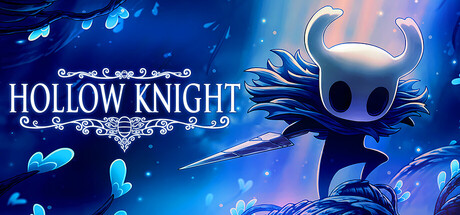
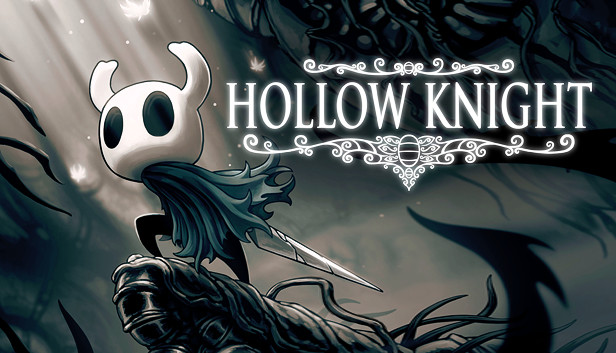
Hollow Knight is a 2D action-adventure set in the ruined insect kingdom of Hallownest. You play as the Knight, a small silent warrior descending into a sprawling underground world filled with hostile creatures, ancient secrets, and scattered survivors. You explore, fight, find upgrades that unlock new areas, and slowly piece together what happened to this civilization.
If you’ve played a metroidvania before, the structure is familiar. What separates Hollow Knight from the pack is how well every single element is executed.
The World Is the Star
Hallownest is one of the best-realized game worlds ever made. Each area has a distinct identity. The Forgotten Crossroads feel like a crumbling highway. Greenpath is lush and overgrown. The City of Tears has rain falling endlessly from a lake above, with streetlamps casting reflections on wet cobblestones. Deepnest is a claustrophobic nightmare of spider webs and darkness that genuinely unsettles.
The transitions between zones are seamless. There are no loading screens, no level select menus. You just walk from one area into the next, and the music shifts, the color palette changes, and the enemies become something new. It creates an immersion that few games achieve.
Combat That Rewards Patience
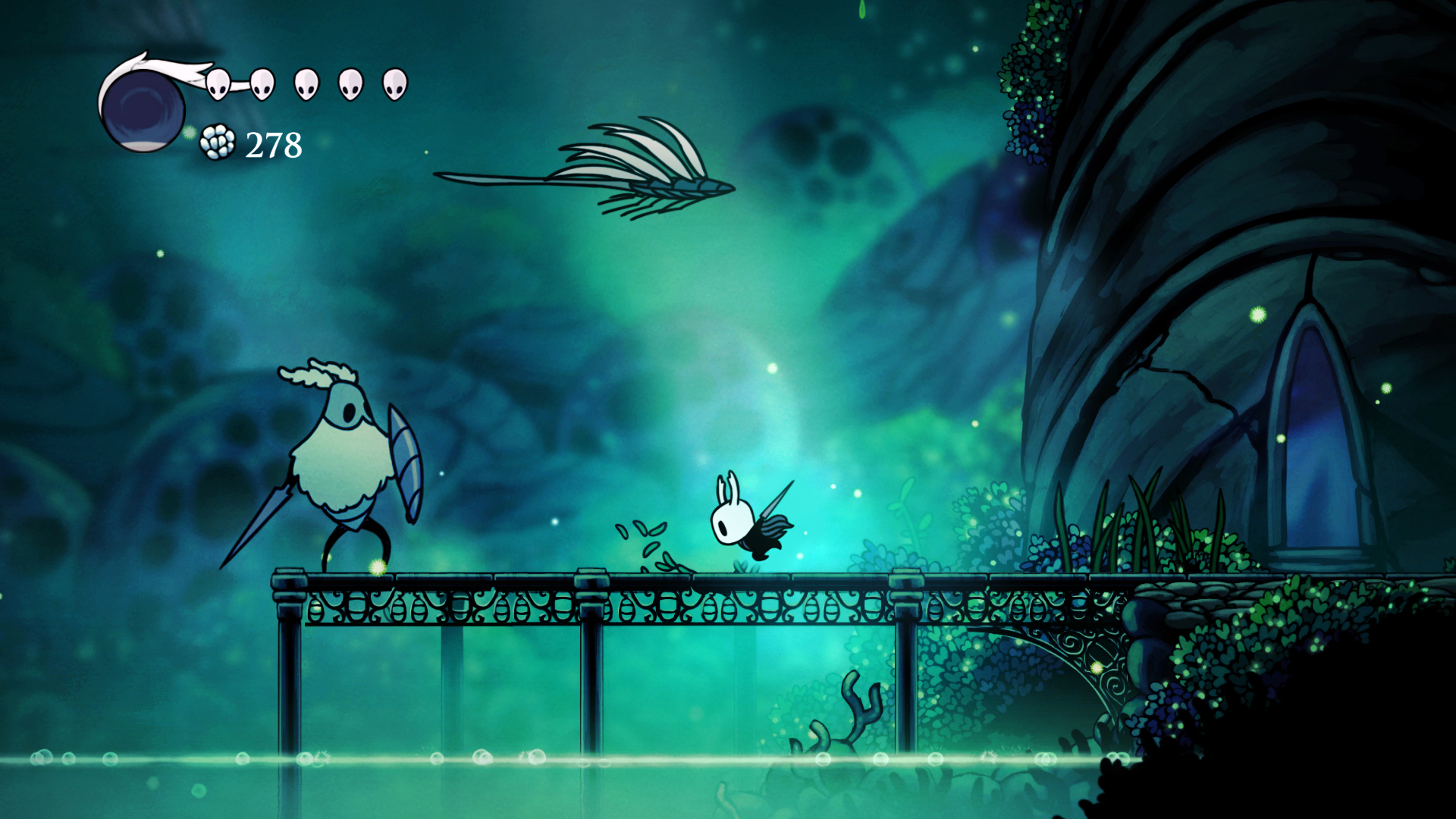
The combat starts simple. You have a nail (sword), a dash, and a heal. Enemies telegraph their attacks clearly, and the hit feedback is crisp. Early fights teach you the rhythm: dodge, punish, heal in the windows.
Then the game layers on complexity. Charms modify your build. Some extend your nail’s range. Some let you shoot projectiles. Some reward aggressive play with faster healing. Some are purely defensive. You have a limited number of charm slots (called Notches), so every loadout is a set of tradeoffs. Builds feel meaningfully different from each other.
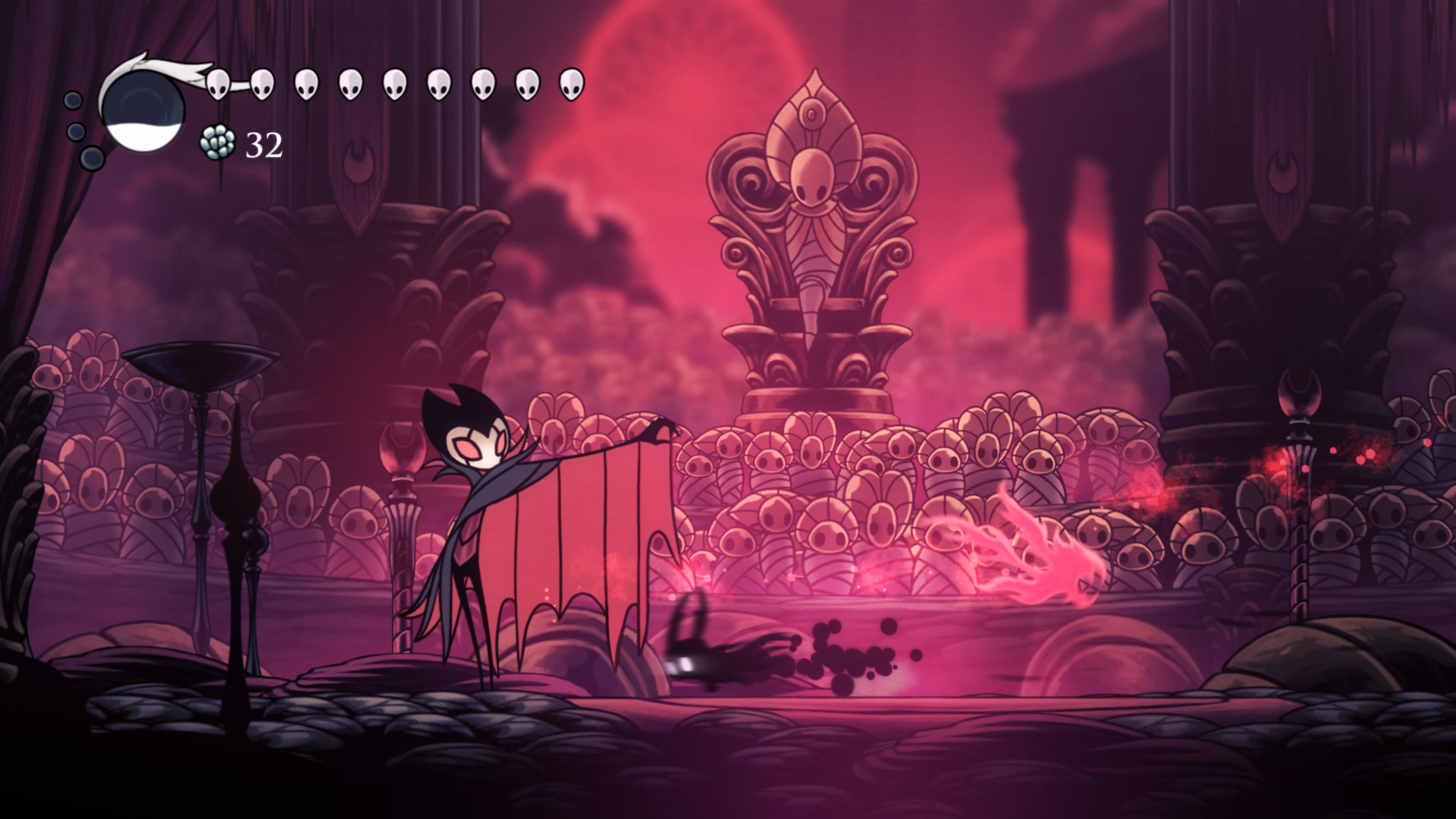
Boss fights are where this system shines. Hollow Knight has over 40 bosses, and the best ones are among the finest in the genre. Hornet is fast and reads your patterns. The Mantis Lords are a masterclass in fair difficulty. The Watcher Knights punish greed. Each boss teaches you something, and the satisfaction of finally reading their moveset perfectly is enormous. If you are a developer curious about what makes this kind of combat work, our combat balance guide covers the design principles behind encounters like these.
Exploration Done Right
The map system is unusually clever. You don’t start with a map of each area. You have to find Cornifer, a cartographer NPC hiding somewhere in each zone, and buy his incomplete sketch. Then you fill in the rest yourself as you explore. You also need to buy pins and equip a compass charm to see your own position.
This means early exploration in a new area is genuinely disorienting. You’re navigating by memory and instinct until you find Cornifer. It sounds frustrating on paper, but in practice it creates moments of real discovery. When you finally find your bearings and realize how the rooms connect, it feels earned.
The upgrade progression is perfectly paced. The Mantis Claw (wall jump) opens up vertical areas you’ve been staring at for hours. The Crystal Heart (horizontal dash) lets you cross gaps that blocked entire zones. The Isma’s Tear lets you swim through acid lakes. Every ability expands the world without making previous areas irrelevant.
The Art and Music
Hollow Knight’s hand-drawn art style is stunning. Every character, every background, every animation frame was drawn by one person (Ari Gibson), and the consistency of vision is remarkable. The Knight’s design is iconic precisely because it’s simple. Two horns, two eyes, a tiny cloak. You can sketch it from memory after one session.
Christopher Larkin’s soundtrack deserves its own paragraph. The City of Tears theme is hauntingly beautiful. The Mantis Lords track is urgent and precise. The Greenpath music is warm and inviting. Deepnest has almost no music at all, just ambient sounds of skittering, which is more effective than any soundtrack could be. The music doesn’t just accompany the world. It defines it.
The Content Is Absurd
Hollow Knight launched at $15. For that price, you get 40-60 hours of content on a first playthrough. Team Cherry then released four free DLC packs that added new bosses, areas, and an entire endgame challenge mode (Godhome). The final DLC, Godmaster, added a boss rush gauntlet that will test even veteran players for dozens of additional hours.
The total package is one of the best value propositions in gaming. There is simply no other way to put it.
Who It’s Not For
Hollow Knight doesn’t hold your hand. The map system means you will get lost. The game doesn’t tell you where to go next. Some bosses take dozens of attempts. There is meaningful backtracking, especially in the mid-game when you’re searching for the next upgrade.
If you need constant direction and clear waypoints, Hollow Knight will feel aimless. The game trusts you to explore, experiment, and find your own path. For some players, that trust reads as frustrating vagueness. Events like Steam Next Fest are great for finding new metroidvanias that build on what Hollow Knight pioneered.
The first few hours are also slower than the rest of the game. Before you unlock the dash and wall jump, movement feels limited. Push through that early section. The game opens up dramatically once you have two or three abilities.
The Bottom Line
Hollow Knight set the bar for metroidvanias when it launched in 2017. Its sequel, Hollow Knight: Silksong, finally arrived in September 2025 to universal acclaim, earning a 90 on Metacritic, selling over seven million copies, and winning Steam’s Game of the Year award. The GDC 2026 indie showcase promises even more games inspired by what Team Cherry built. The world design is extraordinary. The combat is tight and deep. The art and music create an atmosphere that stays with you long after you close the game. The sheer volume of content at its price point borders on absurd generosity.
If you have any interest in action games, exploration games, or beautifully crafted worlds, Hollow Knight is essential. It earned its reputation as one of the best indie games ever made.
Score: 9.5/10
Hollow Knight is available on Steam for $14.99. Also available on Nintendo Switch, PlayStation 4, and Xbox One.

Written by
Stive Godin
Web dev by profession, gamer by passion. Always chasing the next great game and the next personal best in the gym. Building websites, playing games, and lifting heavy things.