Design Monetization Players Actually Want to Buy
Stop adding hooks and start creating desire. A framework for designing monetization layers that feel like value, not exploitation, across every system in your game.
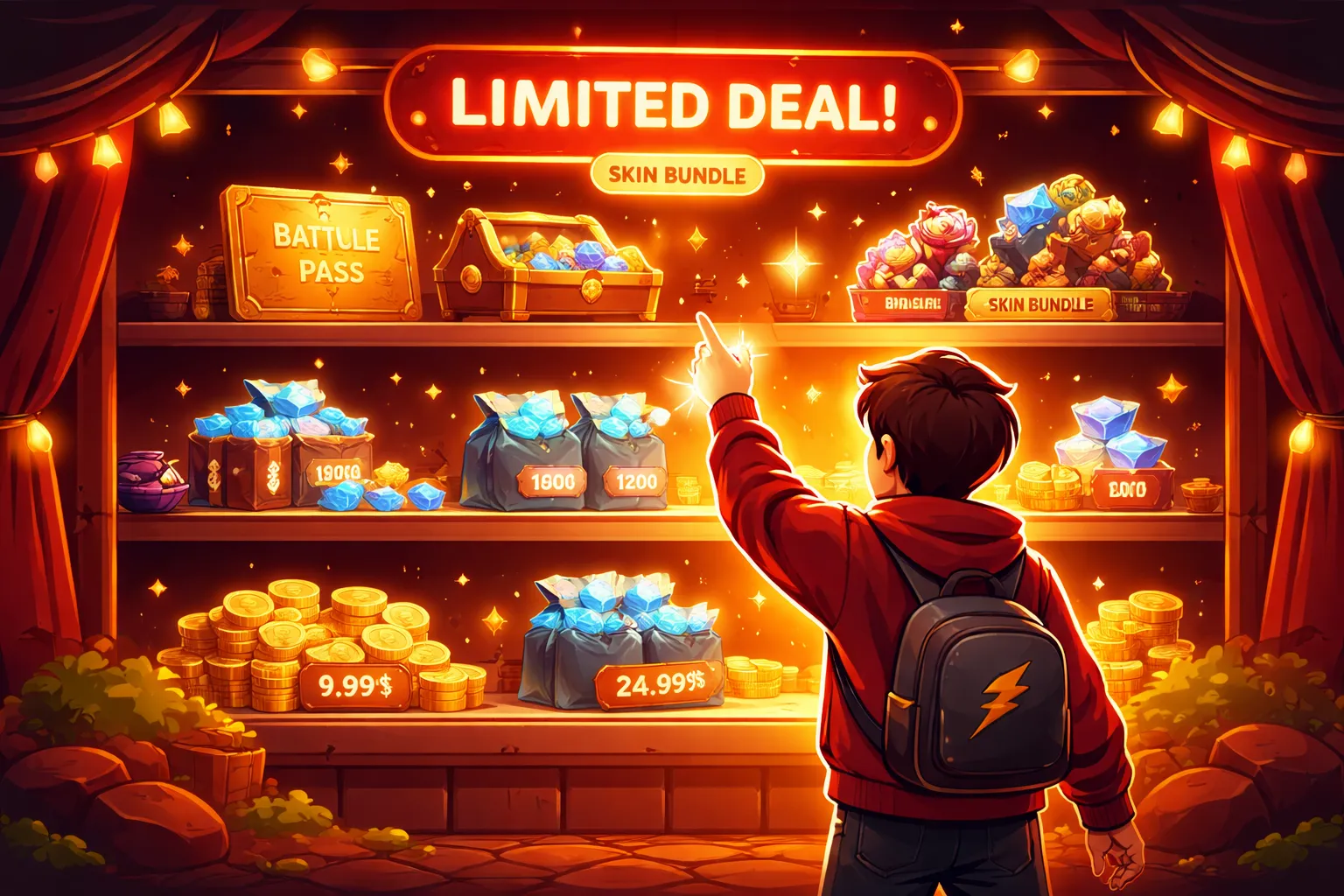
Most monetization fails because it’s bolted on as an afterthought. The best-performing games don’t just add monetization hooks. They design systems where spending feels like a natural, desirable part of the experience. Here’s a framework for building monetization that players want to engage with, broken down by game system.
The Core Principle
Don’t just add monetization hooks. Create a desire to buy. Every monetization layer should have a clear “I need this!” trigger, a moment where the player genuinely wants what you’re offering, not where they feel forced into it.
Core Loop Monetization
What you can offer: Energy refill packs, retry tickets after failure, session-time boosters, limited durability repairs.
The triggers that work:
- Keep streak alive. Players who’ve built a 30-day streak will pay to protect it.
- Avoid frustration spikes. Offer a way past that one brutal boss.
- Preserve gameplay momentum. Don’t let artificial walls kill a flow state.
- “Just one more turn” moments. When the player is in it, offer more.
The core loop is where players spend the most time. Monetization here must feel like convenience, never like a toll booth. If you haven’t nailed your core loop yet, start with our guide on how to make your game addictive before layering in monetization.
Progression Monetization
What you can offer: Battle-pass tiers, XP doublers and skips, unlock-tree bundles, instant level jumps.
The triggers that work:
- Fast-track mastery. Let players who value time over money skip the grind.
- Visible power bumps. Show the immediate difference a purchase makes.
- Beat friends sooner. Social competition drives spending.
- Sense of steady growth. Never let a player feel like they’ve plateaued.
Battle passes are the gold standard here. They give free players a taste while offering paying players a clear, predictable value path.
Economy and Scarcity
What you can offer: Hard-currency packs, resource-crate tiers, time-skip speed-ups, daily flash deals.
The triggers that work:
- Shortage pain. When a player is so close to an upgrade but short on resources.
- Loss-aversion nudge. “You’ll lose this progress if you don’t…”
- Immediate gratification. Instant reward vs. hours of grinding.
- Value-vs-grind contrast. Make the time cost of farming feel high.
Scarcity is powerful but dangerous. Push too hard and players feel manipulated. The sweet spot is making the free path viable but making the paid path feel genuinely smart.
Customization and Identity
What you can offer: Limited-skin sets, avatar animations, base-decorative packs, exclusive profile frames.
The triggers that work:
- Self-expression pride. Players want to look unique.
- Show-off exclusivity. Limited editions and rare items drive desire.
- Social-status chasing. Cosmetics that signal experience or spending.
- Collection-completion itch. “You have 11 of 12 skins…”
Cosmetic monetization is the most player-friendly model because it doesn’t affect gameplay balance. It also tends to have the highest margins since the marginal cost of a skin is nearly zero.
Social and Events
What you can offer: Event-entry tickets, guild-boost packs, leaderboard multipliers, limited collab bundles.
The triggers that work:
- FOMO urgency. “This event ends in 48 hours.”
- Guild responsibility. “Your team needs you to contribute.”
- Competitive edge. Leaderboard position is on the line.
- Shared-celebration hype. Holiday events and crossover moments.
Social monetization works because it adds external pressure. When spending benefits your team or your ranking, the decision feels justified.
Shop and Offers
What you can offer: Dynamic personalized bundles, time-based percentage-off deals, tiered-price ladders, personalized picks.
The triggers that work:
- Anchoring psychology. Show the “full price” next to the deal.
- “Grab it now” timer. Urgency drives impulse decisions.
- First vs. repeat effect. First purchase at a steep discount lowers the barrier.
- Fear of price rebound. “This price won’t last.”
The shop is where all your monetization comes together. Make it feel like a curated store, not a wall of IAPs. Personalized offers based on player behavior dramatically outperform generic ones.
Onboarding Monetization
What you can offer: One-time starter kits, first-purchase gems, early ad-free subscriptions, welcome-reward bundles.
The triggers that work:
- Unbeatable deal shock. A starter pack so good it feels wrong to skip.
- Head-start feeling. “I’m already ahead of other new players.”
- Low-risk commitment. Small price, big perceived value.
- Foundation-investment comfort. “This will pay off for weeks.”
The first purchase is the hardest. Once a player has spent $0.99, the psychological barrier to spending $4.99 drops dramatically. Design your onboarding offers to convert, not to maximize initial revenue.
The Bottom Line
Great monetization is invisible. It feels like a natural part of the game’s ecosystem, not an interruption. Design every offer around a genuine player desire, and you’ll build a game that monetizes and retains.
If you are working on a game with combat, our complete combat balance guide covers the systems design side of the equation. And for solo devs looking to cut production costs, AI tools like ComfyUI and ElevenLabs can dramatically reduce asset creation budgets.
Written by
Stive Godin
Web dev by profession, gamer by passion. Always chasing the next great game and the next personal best in the gym. Building websites, playing games, and lifting heavy things.