How to Market Your Indie Game in 2026: A Data-Driven Guide
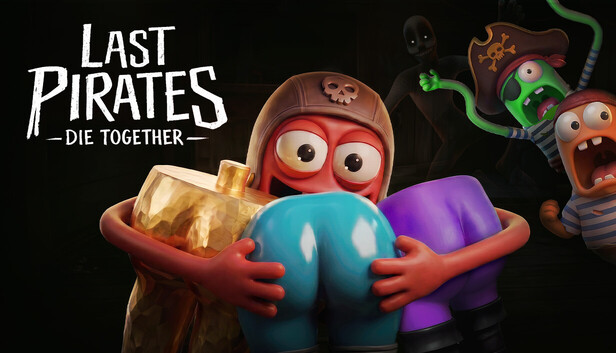
Over 19,000 games hit Steam in 2025. Standing out requires more than a good game. Here's everything you need to know about marketing your indie game in 2026, with real numbers, timelines, and budget breakdowns.
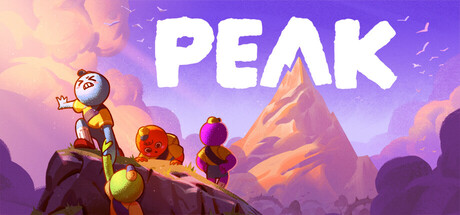
Over 19,000 new games launched on Steam in 2025. That number is climbing in 2026. Most of those games will sell fewer than 1,000 copies. Not because they are bad games, but because nobody heard about them.
Marketing is not optional. The good news is that indie game marketing in 2026 is more data-driven than ever. We know what works, what the benchmarks are, and what the timeline looks like. This guide covers all of it with real numbers.
The Numbers You Need to Know
Before diving into strategy, here are the benchmarks that matter:
Wishlist targets:
- 7,000 to 10,000 wishlists at launch is the minimum for a viable commercial release
- Top performers reach 50,000+ wishlists before day one
- With 10,000 wishlists, expect around 2,000 sales in your first week
Wishlist conversion rates:
- Day 1: ~5% of your wishlists convert to sales
- Week 1: ~20%
- Year 1: ~60%
- Over half of conversions happen during discount events (Steam Sales)
Steam page performance:
- Your wishlist conversion rate (visitors who add your game) should be 10% or higher
- Strong pages convert at 15 to 25%
- Your capsule image click-through rate should be above 3%
These are not aspirational goals. These are the industry benchmarks you should measure against.
Start 12 to 18 Months Before Launch
The biggest mistake indie developers make is treating marketing as a launch-week activity. It is not. Your marketing timeline starts a year or more before your game ships.
12 to 18 months out: Put up your Steam page. Yes, that early. The sooner your page is live, the sooner you start collecting wishlists. Every month of wishlist accumulation compounds. Post your first devlog. Announce the game on social media with a short GIF or trailer.
Every 4 to 6 weeks after that: Post a development update. Each update notifies your existing wishlisters and can trigger additional algorithm visibility on Steam. Show something new every time. A new mechanic. A new area. An art style improvement. Do not post the same content twice.
6 months out: Start reaching out to influencers. Build your press list. Apply for Steam Next Fest. This is also when you should finalize your capsule art, trailers, and store page copy. These assets determine whether people wishlist your game or scroll past it.
1 month out: Send review keys to press and creators. Schedule your launch day content (trailer, social posts, newsletter, Discord announcements). You should not be creating marketing materials on launch day. Everything should be ready to go.
Your Steam Page Is Your Most Important Asset
Your Steam page is where wishlists happen. Everything else in your marketing funnel exists to send people there. If your page does not convert, nothing else matters.
Capsule image: This is the thumbnail people see when browsing Steam. It needs to communicate your game’s genre and tone in a single glance. If your click-through rate is below 3%, redesign it. Look at what the top-selling games in your genre use for their capsules.
Trailer: The first 10 seconds decide whether someone watches the rest. Start with gameplay, not logos. Show the most visually striking moment of your game immediately. Keep it under 90 seconds for the main trailer.
Description: Lead with what makes your game unique. “A roguelike where you breed mutant cats and send them into tactical combat” is better than “An innovative gameplay experience combining simulation elements with strategic depth.” Be specific. Be concrete.
Tags: Use all available Steam tags. Look at what tags successful games in your genre use and mirror them. Tags directly affect which users see your game in recommendations and search results.
Steam Next Fest Strategy
Steam Next Fest happens three times a year (February, June, October) and is one of the most powerful free marketing opportunities available to indie developers.
What to expect realistically: The average game gets 1,000 to 2,000 wishlists during a Next Fest. Top performers get significantly more. But you need at least 2,000 wishlists before the event for Next Fest to give you meaningful lift. If you go in with zero marketing beforehand, the algorithm has nothing to amplify.
The reality of Next Fest in 2026: Early editions of Steam Next Fest produced 30 to 80% uplift in wishlists. That number has dropped to 10 to 15% in 2026 because competition has increased dramatically. Next Fest is still valuable, but it is not a silver bullet.
Key insight: Most players use Next Fest to browse and wishlist, not to play demos. Your store page, capsule, and trailer matter more than the demo itself during the event. Make sure your demo is solid, but do not skip store page optimization to focus on demo polish.
We wrote a guide to Screenshot Saturday that covers the visual presentation skills you need for events like Next Fest.
Social Media: What Actually Works
TikTok
TikTok remains the highest-reach platform for indie game marketing in 2026. A viral video can drive 1,000 to 2,000 wishlists to your Steam page. The key is volume and authenticity.
- Post 3 to 5 times per week minimum
- Show real gameplay, not trailers
- Behind the scenes development content performs well
- Short clips (15 to 30 seconds) of your most visually interesting mechanics
- Budget $500 to $2,000 per paid campaign if you go the ad route
X (Twitter)
X is still where the indie dev community lives, but the algorithm now actively penalizes posts with external links. Post your content natively. Put the Steam link in a reply, not the main post.
- Share GIFs and short videos of gameplay
- Engage with other developers and players in the replies
- Use #ScreenshotSaturday and #WishlistWednesday
- Build relationships first, then promote
Subreddits like r/indiegaming, r/gamedev, and genre-specific communities (r/roguelikes, r/metroidvania) can drive meaningful traffic if you participate genuinely. Do not just drop links. Contribute to discussions, share your development process, and let the community discover your game organically.
Influencer Marketing
Influencer coverage is one of the most efficient ways to build wishlists, but the numbers vary significantly by platform.
Twitch: A streamer averaging 1,000 viewers can generate 300 to 400 wishlists per stream of your game. That is a 30 to 40% conversion rate. The cost per wishlist from influencer campaigns is typically $0.50 to $3.00.
YouTube: Longer-form content converts at a lower rate (3 to 10%) but has a longer tail. A YouTube video keeps generating views and wishlists for months after publication.
How to approach creators: Send a short, personalized email. Include a Steam key, a 30-second gameplay GIF, and one sentence about why their audience would care. Do not send mass emails. Do not ask them to “check out your game.” Tell them what it is and why it matters.
Budget Breakdown
The industry recommendation is to spend 25 to 50% of your development budget on marketing. If your game cost $100K to develop, allocate $25K to $50K for promotion.
For most indie developers, the budget is much smaller. Here is how to allocate it:
Micro budget ($1K to $5K):
- 40% on paid social ads (TikTok, Reddit)
- 25% on review keys and influencer outreach
- 20% on professional visual assets (capsule art, trailer editing)
- 15% on tools and subscriptions (analytics, email marketing)
Working budget ($10K to $50K):
- 35% on influencer marketing
- 25% on paid advertising (Meta, TikTok, Reddit)
- 20% on professional assets (trailer, key art, screenshots)
- 10% on PR and press outreach
- 10% on community tools and events
Zero budget: If you have no marketing budget, your time is your budget. Post consistently on social media. Participate in game jams for visibility. Apply for every free showcase opportunity (Steam Next Fest, indie showcases, publisher days). Send keys to small streamers who cover your genre. It takes longer, but it works.
The 2026 Calendar
Timing matters more than most developers realize.
January to March: Strong window for launches. Players have holiday gift cards and are looking for new games. Steam Next Fest in February is an opportunity.
April to June: The “golden window” of 2026. Far enough from holiday season to avoid competition, early enough to build momentum. Steam Next Fest in June is another opportunity.
July to September: Quieter months. Less competition, but also less organic traffic.
October to January 2027: Avoid this window. GTA 6 launches November 19, 2026, and will dominate the conversation from October through early 2027. Unless you are confident your audience has zero overlap with GTA’s, launch earlier.
Common Mistakes
Starting too late. If you start marketing at launch, you are 12 months behind. The wishlist accumulation period before launch is when most of the work happens.
Spending money before optimizing your Steam page. Every dollar spent driving traffic to a page that does not convert is wasted. Fix your capsule, trailer, and description before spending on ads or influencers.
Ignoring your genre. Your game’s commercial potential is heavily influenced by the type of game you are making. Strategy, simulation, and building games perform best on Steam. Narrative adventure and visual novels have smaller audiences. Know your genre’s ceiling and plan accordingly.
Only posting links. Social media rewards engagement, not promotion. If every post is “wishlist my game,” your reach will collapse. Share your process. Share your opinions. Be a person, not a billboard. The links go in the replies.
Skipping Steam events. Steam sales, Next Fest, and seasonal events account for a significant portion of total conversions. Over half of all wishlist-to-sale conversions happen during discount events. Participate in every relevant one.
What Success Looks Like
Cairn, the climbing sim from The Game Bakers, hit 300,000 players in its first week. Over 600,000 people tried the demo before launch. That demo-to-launch pipeline is textbook indie marketing executed well.
Mewgenics from Team Meat launched to a 98% Steam positive rating with over 26,000 reviews. Edmund McMillen’s existing audience helped, but the game also benefited from years of slow-burn marketing, consistent dev updates, and a demo that let the community sell the game through word of mouth.
These are not exceptions. They are examples of what happens when the marketing fundamentals are in place.
For more on the design side of making games that sell themselves, read our guide on what makes indie games addictive. And if you want to understand the engine landscape before starting your next project, check our Godot vs Unity vs Unreal comparison.
Start Now
The best time to start marketing your game was 12 months ago. The second best time is today. Put up your Steam page. Post a GIF. Tell people what you are building.
Everything else flows from there.
Written by
Stive Godin
Web dev by profession, gamer by passion. Always chasing the next great game and the next personal best in the gym. Building websites, playing games, and lifting heavy things.