Escape From Ever After Review: Paper Mario Meets Corporate Satire
A two-person studio built one of the best RPGs of 2026 so far. Escape From Ever After takes the Paper Mario formula, wraps it in anti-corporate satire, and delivers 20 hours of sharp writing and satisfying combat.
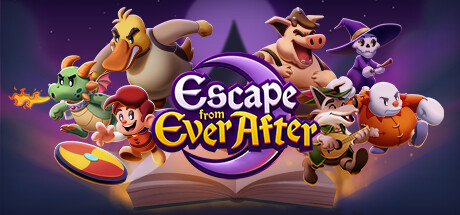
A fairy tale hero walks into a corporate office. That sounds like the setup for a joke, and in many ways it is. But Escape From Ever After commits to the bit so hard that it becomes something genuinely special. This is a turn-based RPG built by a two-person studio that understands exactly what made Paper Mario great and then layers in a satirical edge those games never had.
The result is one of the most charming indie RPGs released in 2026 so far, and its 97% Overwhelmingly Positive rating on Steam is well earned.
The Setup
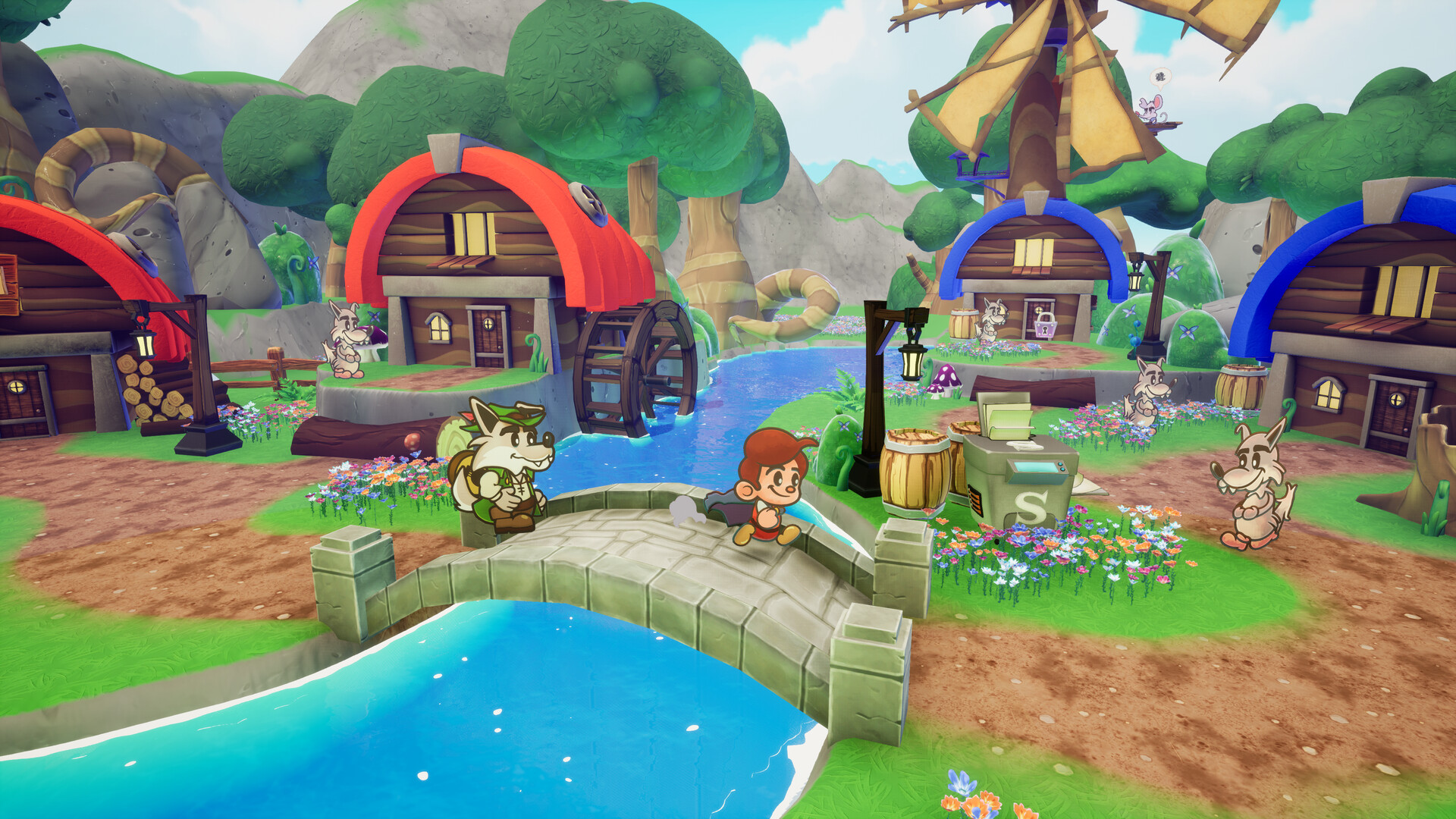
You play as Flynt Buckler, a young hero on a standard fairy tale quest to defeat a dragon named Tinder. Except when you arrive at Tinder’s castle, it has been converted into an office building. The dragon is now a middle manager. A megacorporation called Ever After Inc. has found a way to enter storybooks and “modernize” them, which in practice means exploiting fairy tale characters for cheap labor and stripping their stories of meaning.
Flynt and Tinder team up. The hero and the dragon, former enemies, now have a common target: corporate greed. What follows is a 15 to 20 hour adventure across corrupted storybooks, each one twisted by Ever After Inc.’s influence. One story becomes a pirate adventure run like a franchise operation. Another is an alien planet turned into a resource extraction site. The fourth wall breaks regularly, and the writing knows exactly when to be funny and when to be pointed.
The corporate satire is sharp without being preachy. Performance reviews, mandatory fun events, motivational posters with hollow slogans. If you have ever worked in an office, this game is going to feel uncomfortably accurate.
Combat That Rewards Attention
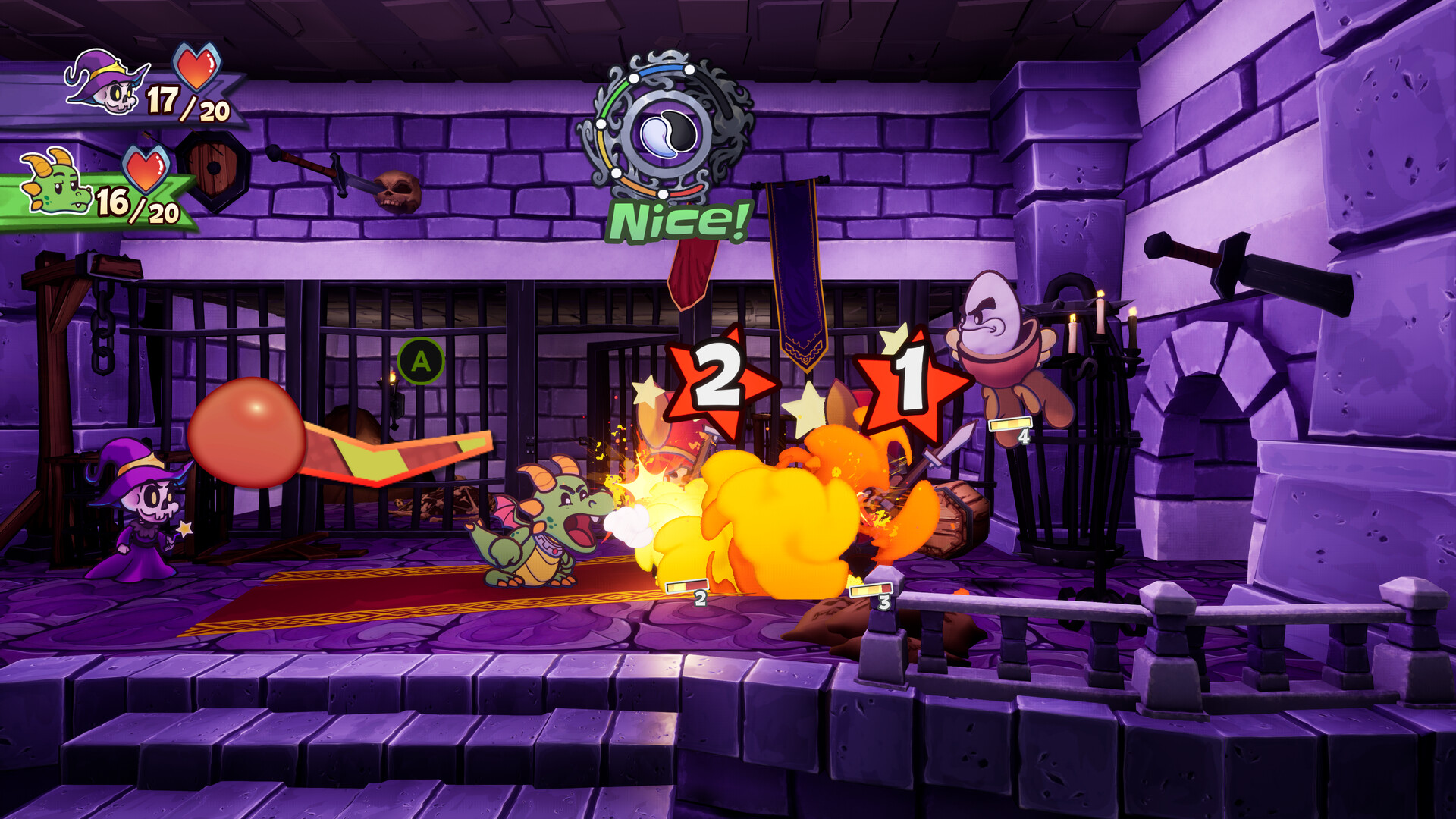
The combat system is directly inspired by Paper Mario and it does not try to hide it. Battles are turn-based with action commands. Time a button press correctly on attack and you deal more damage. Time one correctly on defense and you reduce incoming hits. Fail the timing and you eat the full impact.
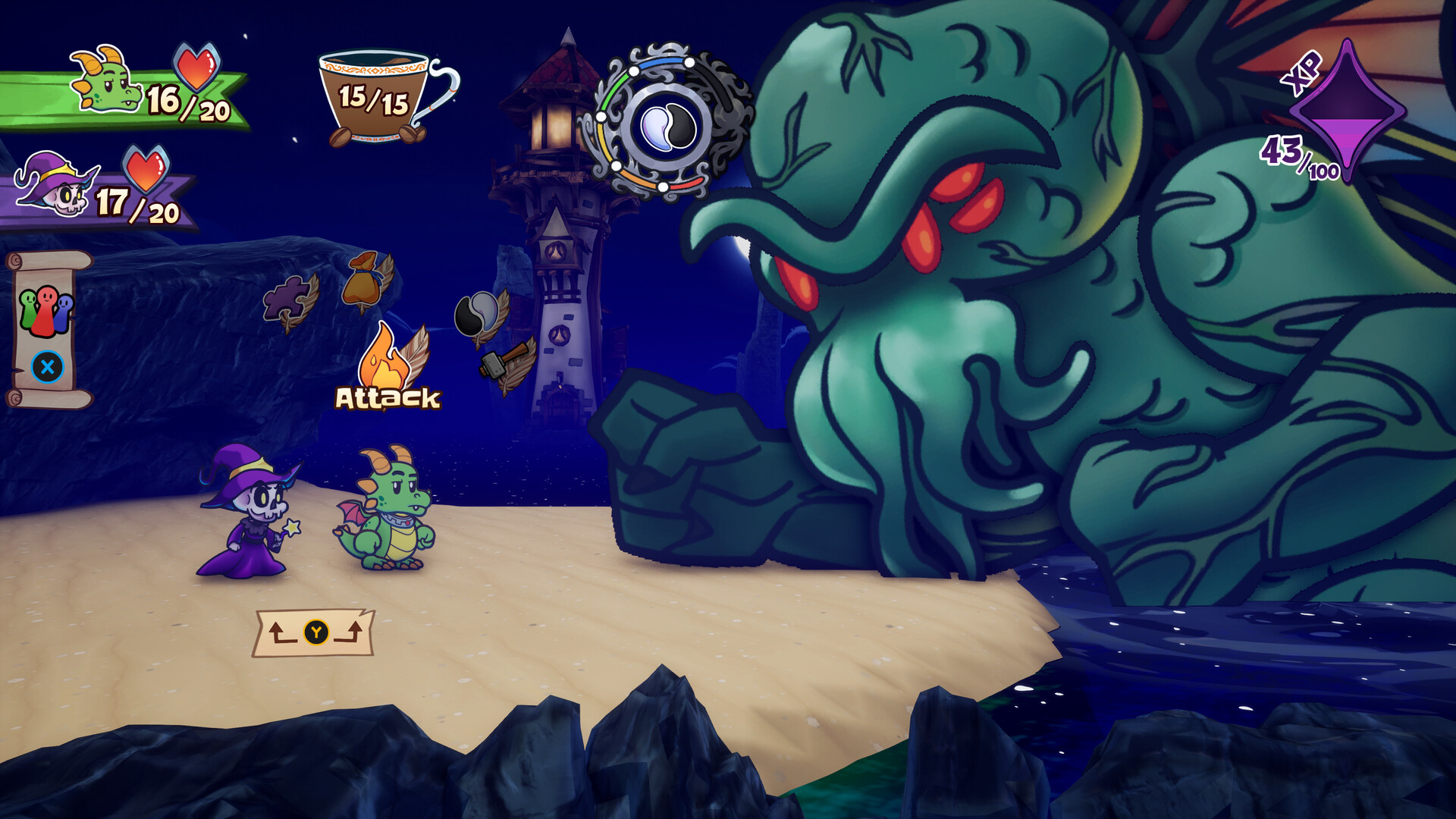
What sets it apart from a simple Paper Mario clone is difficulty. Enemies use shields and guard mechanics that punish careless button mashing. Some enemies are immune to certain attack types until you break their defenses. Fire damage spreads between grouped enemies, creating tactical opportunities. You can switch party members mid-combat, which adds a layer of planning that the original Paper Mario games rarely demanded.
The game also ships with accessibility options including Guard Assist and Attack Assist toggles. If action commands are not your thing, you can still enjoy the RPG without the reflex element. It is a smart inclusion that more games should adopt.
The Writing Carries It
Combat is good. The writing is better. Sleepy Castle Studio clearly put their best work into the dialogue, and it shows. Side characters have personality. Quests feel purposeful rather than padded. The humor hits a tone somewhere between Paper Mario and Shrek: silly on the surface, surprisingly smart underneath.
The sidequests deserve special mention. Most RPGs use side content as filler. Escape From Ever After uses them to flesh out the world and the characters living in it. You are not collecting 10 mushrooms. You are helping a fairy tale character figure out why their story stopped making sense after the corporation moved in. Every sidequest ties back to the central theme.
Art and Music
The 2D art style is vibrant and hand-drawn, with each corrupted storybook having its own distinct visual identity. The pirate chapter looks completely different from the alien chapter, which looks nothing like the corporate headquarters. It is a small scope game that makes every environment count.
The soundtrack by Daniel Whitworth is a highlight. A jazzy big-band score that adapts seamlessly across the wildly different settings. It gives the game an energy that matches the writing: playful, confident, and surprisingly polished for a two-person project.
Room to Grow
The platforming sections between combat encounters are functional but unremarkable. Movement feels slightly imprecise when navigating narrow platforms, and while damage from falls is minimal, the platforming never reaches the quality of the combat or writing.
Flynt as a protagonist is serviceable but not memorable. He is the straight man in a world full of interesting characters, which works structurally but means you are more invested in the supporting cast than the hero you are playing. Tinder the dragon is more compelling in nearly every scene they share.
The game’s final act rushes slightly compared to the careful pacing of the first three quarters. It is not a dealbreaker, but you can feel the scope narrowing as the story approaches its conclusion.
A Two-Person Studio Made This
It is worth emphasizing: Sleepy Castle Studio is a two-person team. They funded this game through Kickstarter. The fact that it stands alongside full-team productions in quality speaks to focused scope and disciplined execution. They did not try to make a 60 hour epic. They made a 20 hour RPG and made every hour count.
The game launched on PC, Nintendo Switch, Xbox, and PlayStation 5 simultaneously. Multiplatform from day one for a team of two is impressive.
If you enjoy turn-based RPGs or have any nostalgia for Paper Mario, this game deserves your attention. If you also happen to have opinions about corporate culture, it might become one of your favorites of the year.
For more indie RPG recommendations, check our best roguelike games of 2026 for games with equally deep combat systems. And if you are interested in how small studios design mechanics that keep players engaged, our guide to addictive game design covers the principles behind games like this one.
The Bottom Line
Escape From Ever After is a love letter to Paper Mario wrapped in a satirical comedy about the worst parts of corporate culture. The combat is tight and rewarding. The writing is sharp and consistently funny. The art and music punch well above what a two-person studio should be able to deliver. Minor issues with platforming precision and a slightly rushed ending do not diminish what is overall one of the strongest indie RPGs of early 2026.
Score: 8.5/10

Written by
Stive Godin
Web dev by profession, gamer by passion. Always chasing the next great game and the next personal best in the gym. Building websites, playing games, and lifting heavy things.